3 months ago
107
3 months ago
107
The World Health Organization has warned that the Ebola outbreak is outpacing response efforts and countries neighbouring the Democratic Republic of Congo (DRC) are at high risk from the disease.
“We are urgently scaling up operations, but at the moment the epidemic is outpacing us,” said the WHO’s director-general, Dr Tedros Adhanom Ghebreyesus, as he urged neighbouring countries to take immediate action.
Addressing an online meeting of the African Union about the outbreak, he also announced there had been 220 suspected deaths so far in the current Ebola outbreak and that he would travel to the DRC on Tuesday with Chikwe Ihekweazu, executive director of WHO’s health emergencies programme.
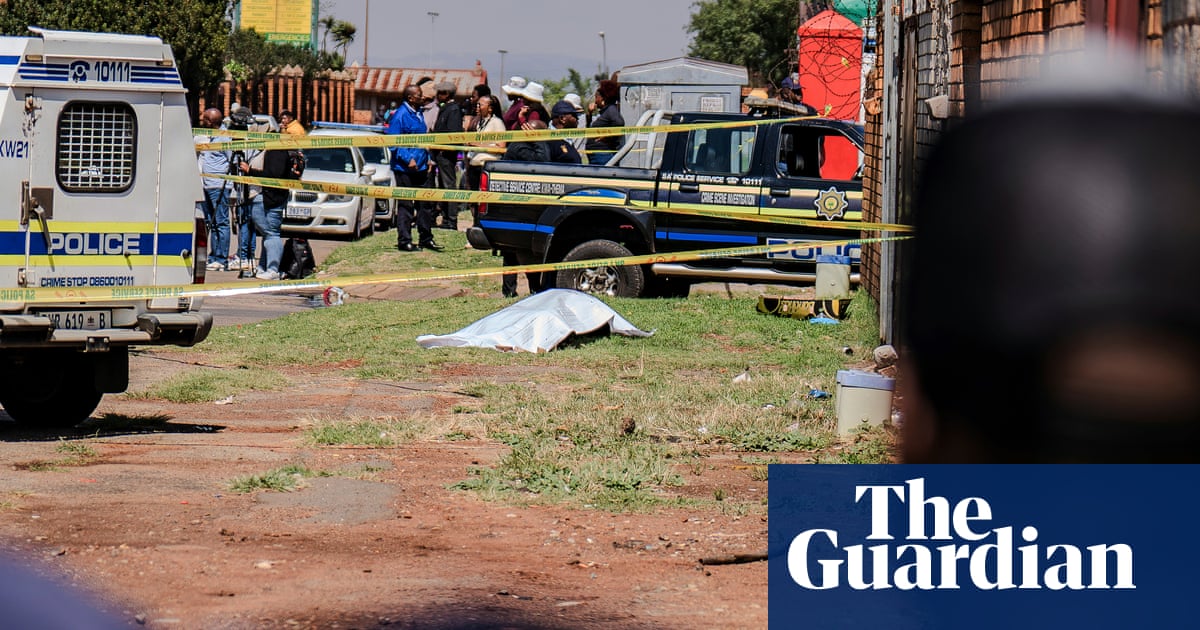
Tedros’s announcement came as attacks by residents on health facilities in Ituri province, the centre of the outbreak, hampered the response.
First on Saturday and again on Sunday, residents of Mongbwalu town in the DRC attacked the Mongbwalu general referral hospital.
Dr Richard Lokodu, medical director of the facility, told Reuters that 18 Ebola patients had fled on Saturday after “unidentified individuals” burned tents, erected by Médecins Sans Frontières, where patients were being isolated.
The hospital came under four waves of attacks on Sunday, he added, by young people mobilised by relatives of a religious leader who died of Ebola. Seven other patients escaped and Congolese police and soldiers had to intervene to restore order.
A suspected patient who was in critical condition with haemorrhaging died in the second attack while trying to flee from his bed.
The perpetrators of the attacks had wanted the bodies of the Ebola victims released for burial, Lokodu added.
In a similar incident, a crowd on Thursday set fire to a treatment centre in Rwampara, near Bunia, after authorities refused to give them the body of a victim they wanted to bury themselves.
The burial of bodies, which can be highly contagious, is handled by authorities for containment of the disease, but some families prefer traditional burials, which involve washing and touching the body. In previous outbreaks that has been proved to be a key driver of the spread of the disease.
Earlier this month, Tedros declared the outbreak a “public health emergency of international concern” after more than 300 suspected cases and 88 deaths were reported in the DRC and two deaths in neighbouring Uganda.
On Monday, Uganda announced two more Ebola cases, taking the total number of confirmed cases in the country to seven. The new cases are both Ugandan health workers in a private health facility in the capital, Kampala, the country’s health ministry said in a statement.
The outbreak is caused by the rare Bundibugyo ebolavirus, which has no approved treatment or vaccine.
The hotspots are Rwampara, Mongbwalu, Nyankunde and Bunia areas in the north-east DRC province of Ituri, a commercial and migration hub and a gold-rich region where conflict between militias allied to the Hema and the Lendu ethnic groups, who are fighting over land and the mineral, has killed more than 50,000 people since 1999.
Cases have also been reported in Butembo and rebel-controlled Goma, both in North Kivu province, and Bukavu city, also rebel-held, in South Kivu province.
On Monday, Tedros said containing the outbreak was complicated by Ituri and North Kivu being insecure and the lack of an approved vaccine.
Reuters contributed to this report