6 hours ago
17
6 hours ago
17
Anita Bazell, 88, died in Southampton during June’s heatwave after being taken to hospital with a body temperature of 41.2C. Now her son wants to raise awareness of the risks of heatstroke, particularly among elderly people
Anita Bazell had never coped with the heat very well, her family said. So they were worried about her when temperatures across the UK soared to record highs of 35C (95F) in May, and then again in June.
She was living in a nursing home in Southampton near her family, who had struggled to care for her at home due to her declining mobility. Although there were air conditioning units in the communal rooms, there was not one in Anita’s room, which was on the third floor.
“I used to see her every weekend. Heat rises and she was on the top floor, and the windows were open as far as the restrictors would let them go,” said her son, Steve Bazell. “It was hot in there. It was so hot you couldn’t sleep at night around here back then.”
The first phone call came on 25 June – Steve was told his mother was feeling unwell and she was being taken to bed. “I remember it because it was the hottest day on record [for June] that day,” Steve said. It was actually the second of three days that week when the temperature record for June was broken.
The next phone call, just after 9am the following day, was a shock. Paramedics called to say his mother had been found unresponsive and was being taken to Southampton general hospital. The family were urged to get there as soon as possible – medics were not sure she would make it to the hospital.
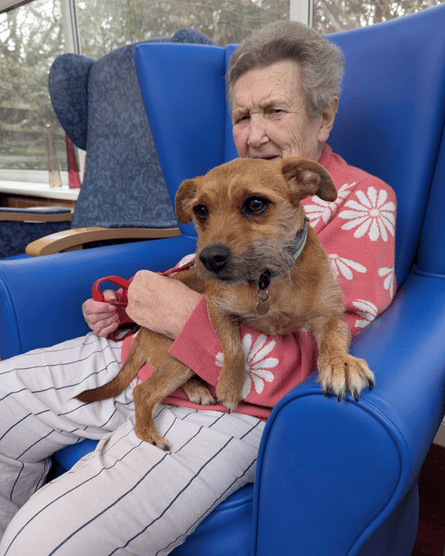
When they arrived, Anita’s face looked drooped on one side and they thought she had suffered a stroke. Doctors were putting towels soaked in ice water on her, replacing them every few minutes. The family were soon told she had been diagnosed with heatstroke, which had caused a bleed on the brain.
When she arrived in hospital, she had a body temperature of 41.2C – anything above 40C is considered a medical emergency.
“You could see her improving as she was getting cooler but she was still unresponsive,” he said. “We had mixed reactions. I mean, my mum was 88, but she was mentally fine. We couldn’t understand how this had happened – did they check on her?”
Anita was hospitalised on 26 June, which was then the hottest June day on record in the UK with 38C recorded at Lingwood in Norfolk, breaking the previous record of 35.6 degrees set in Southampton 50 years earlier. It was the fifth hottest day in the UK ever.
Steve was told Anita was one of at least seven elderly people taken to Southampton general hospital with heatstroke that day, and some did not make it there before they died.
The day before Anita’s admission, University hospital Southampton NHS foundation trust had declared a critical incident due to the extreme heat, which forced some operations and appointments to be cancelled.
David Higgs, the hospital’s deputy chief medical officer, later said Southampton general came “very close to collapse” during the June heatwave, which was “in many ways almost worse than Covid”.
“There was a huge amount of attendances in our emergency department. Primary care was overflooded. The ambulance service pretty much collapsed,” he told the city’s health and wellbeing board.
Steve said the hospital set up a special “cooling” ward specifically to deal with the influx of patients with heatstroke. Staff ran out of towels to soak in ice water to cool patients down, and resorted to cutting up bed sheets. “I remember I went upstairs to get more towels and help,” said Steve. “The hospital was really good. But they were stretched.”

Anita’s condition improved once her body temperature reduced, but ultimately there was nothing that could be done to save her. Over the next few days, Steve said her eyes would follow family members as they moved around her, and she could gently squeeze a hand when asked, but never regained full consciousness.
Steve and his sister took it in turns maintaining a bedside vigil every day until at least 10pm at night. He said they were a small but close family, and his mother devoted much of her life to supporting them.
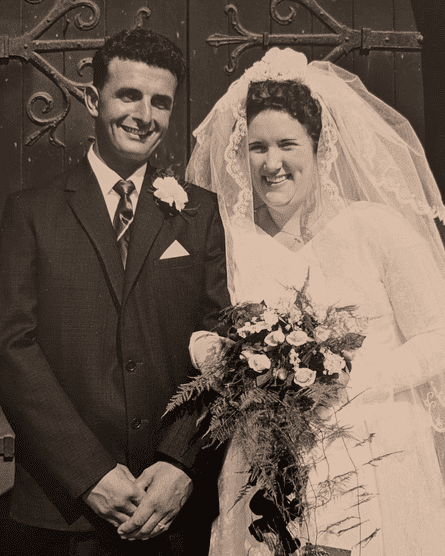
As the siblings were growing up, Anita worked as a dinner lady and in their school library, volunteered as a Cub scout leader and supported them in their hobbies of motorbike racing and horse riding. She was married to her late husband, Les, for more than 50 years.
Anita died on 6 July with heatstroke recorded as her cause of death.
She is one of thousands of people believed to have died a heat-related death during the extreme hot weather this year. There were an estimated 2,877 heat-associated deaths in England during the May and June heatwaves, nearly double the 1,504 excess deaths recorded for the entire summer of 2025.
With four more heatwaves recorded across July and August, heat-related deaths this summer are expected to be the highest on record.
On 24 June, the Met Office issued a rare red heat weather warning due to the risk of heat exhaustion and heatstroke, and predicted increased mortality and hospital admissions due to heat-related illness.
Some deaths may be linked to exertional heatstroke, caused by heavy physical exercise. Sophie Goodyer-Bird, a 35-year-old woman from Birmingham, died of heatstroke after climbing Yr Wyddfa – also known as Snowdon – on 10 July.
But most of the fatalities will be among the elderly population, although heatstroke is rarely recorded on death certificates as extreme heat often acts as an indirect trigger, placing severe strain on pre-existing health conditions that can be fatal.
Care homes for elderly people are on the frontline of dealing with this – during the July 2022 heatwave, nursing home deaths increased by 34.1% and residential care home deaths increased by 13.0%.
This year, many care homes reported using fans, air conditioners, paddling pools, ice lollies and cold fruit to keep residents cool. But research has found many are still underprepared for severe heat caused by the climate crisis.
The Care Quality Commission is investigating a care home in Watford after four residents were taken to hospital during the May heatwave, with one dying and the others “coming to harm”. An inspection report said there were concerns residents were left “at risk of dehydration”.
Anita’s family has written to her nursing home – which they have chosen not to name until investigations are complete – as they have concerns about the care she received in the hours before she collapsed.
After her death they were given the clothes she was wearing when she was brought into hospital, which Steve described as “a short-sleeve woolly jumper and wool trousers”. He said: “Why was mum in clothes you could wear in the winter? And how long had she been wearing them for?”
Steve said he wanted to raise awareness of the risks of heatstroke, particularly among elderly people in care homes, with more extreme heat on its way next year.
“They’re already saying it’s going to be hotter next year,” he said. “What my mum went through, what we went through as a family, it’s really not a very pleasant experience. I’m not saying it wouldn’t have happened anyway, but I do want to know if anything could have been done differently.”