3 months ago
53
3 months ago
53
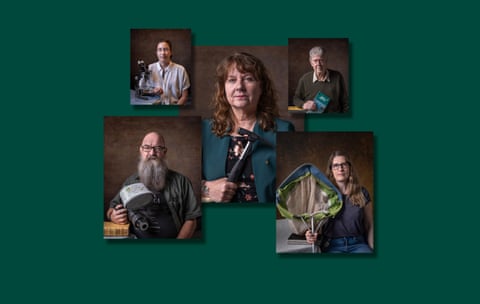
For his project ‘De Oförtrutna’ (The Relentless), photographer Christer Björkman pictured Swedish scientists working in the spirit of Carl Linnaeus, the botanist who created the modern taxonomic system that classifies organisms based on appearance. Each scientist brought to the shoot a book and an item of importance to their work
Clockwise from top left: Julia Stigenberg, Vivi Vajda, Mats Thulin, Emma Kärrnäs and Anders Lindström. Photograph: Christer BjorkmanThu 16 Apr 2026 13.00 CEST
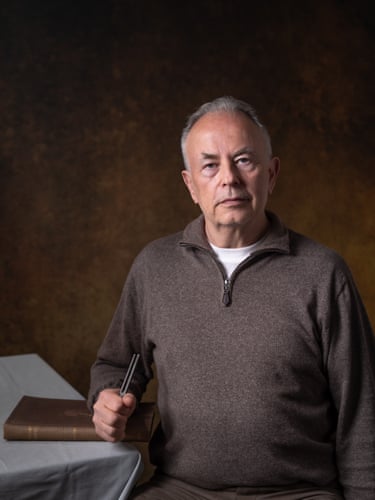
‘They are like little winding works of art’
Entomologist Mikael Sörensson is based at Lund University and studies featherwing beetles, among the smallest insects in the world. He studies spermatheca, the sac-like organs inside the female that receive and store sperm. Inspired by classical music, he holds a tuning fork and rests his arm on a book published in 1872 about featherwing beetles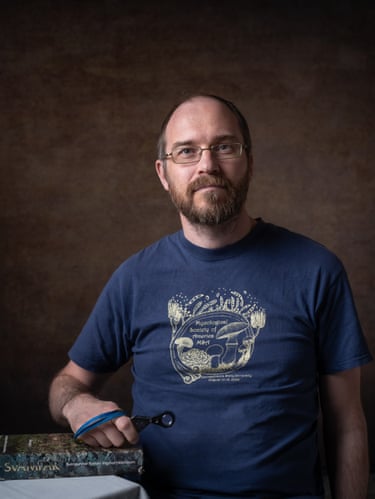
‘I’ve figured out what it isn’t’
Martin Ryberg from Uppsala University studies speciation – the creation of new species through evolution – in fungi. He holds a magnifying lens and leans on a 1992 field guide to fungi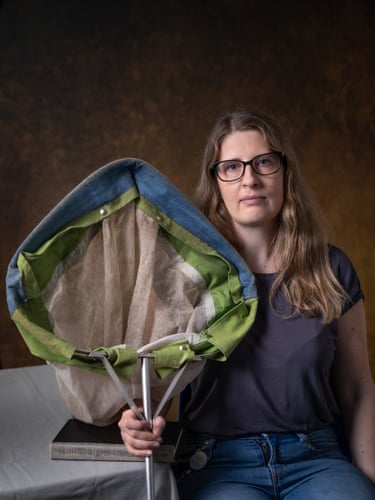
‘They are like tiny jewels’
Emma Kärrnäs studies eulophid wasps, which are no more than a few millimetres in size. She holds a triangular sweep net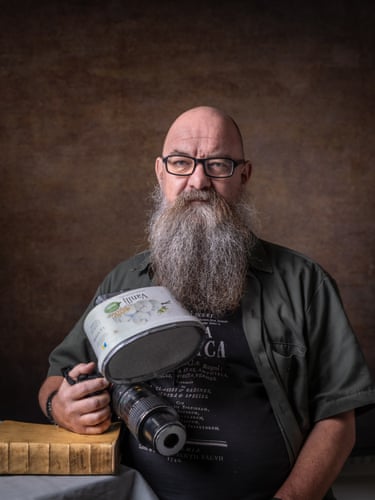
‘They are beautiful, fascinating…’
Anders Lindström from the National Veterinary Institute in Sweden explains why he studies mosquitoes. He is pictured with a specially adapted camera and a book published in 1691 by the Jesuit scholar Filippo Bonanni about small lifeforms that live in decaying matter, including soil, wood and food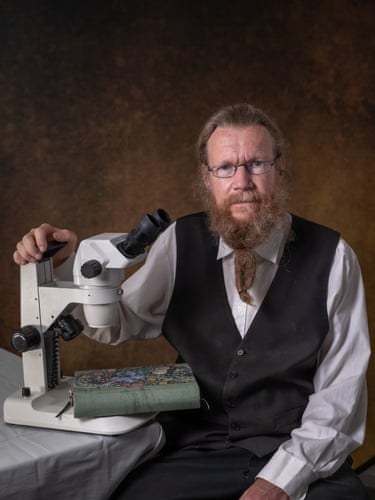
‘The most annoying thing is plants that lack hair’
Torbjörn Tyler, a botanist from Lund University, has learned to identify plants by studying the hairs on them. He has brought a microscope and a book published in 1943 on plants that have been imported into Sweden accidentally and established themselves in parks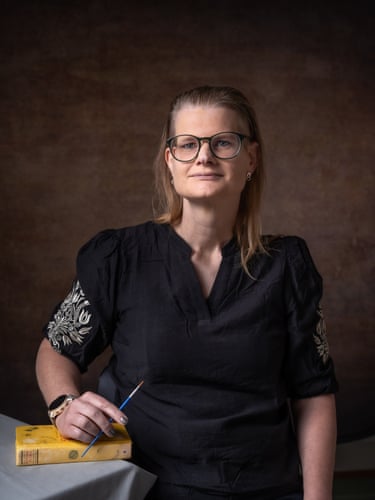
‘I’m fascinated by those little things everyone walks past’
Emma Wahlberg studies tiny insects called thrips, which suck sap from leaves. She has brought the small brush she uses to handle the fragile creatures and a 2001 book on Swedish flora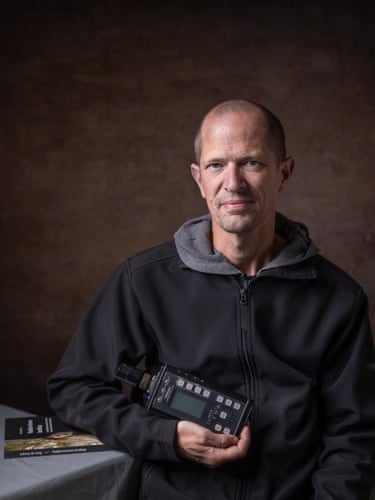
‘We don’t even know how many species there are in Sweden’
Magnus Gelang, a senior curator at Gothenburg Natural History Museum, is fascinated by bats. He holds an ultrasound detector and a 2023 book about the winged mammals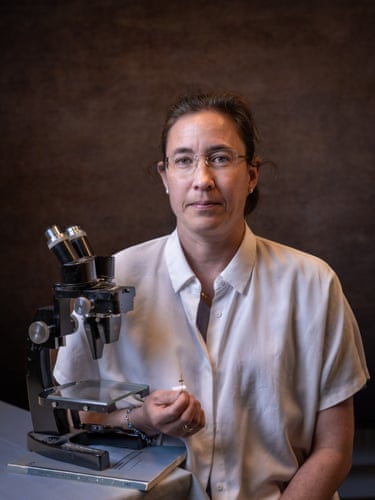
‘Discovering the unknown is what drives me’
Julia Stigenberg is carrying on the legacy of biologist Carl Linnaeus, the ‘father of modern taxonomy’. Stigenberg, who works at the Swedish Museum of Natural History, is a specialist in parasitic wasps, and is pictured with a microscope and 1993 taxonomy book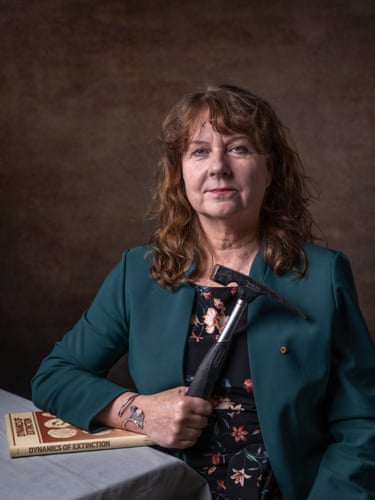
‘Palaeontology is detective work’
Palaeontologist Vivi Vajda from the Swedish Museum of Natural History with a hammer, used to break open stones holding fossils, and a 1986 book on the dynamics of extinction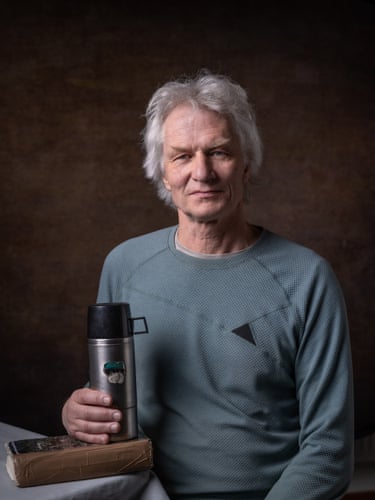
‘Nature is like a drug’
Anders Dahlberg from the Swedish University of Agricultural Sciences specialises in the ecology of fungi and is pictured with his flask and a 1992 guide to fungi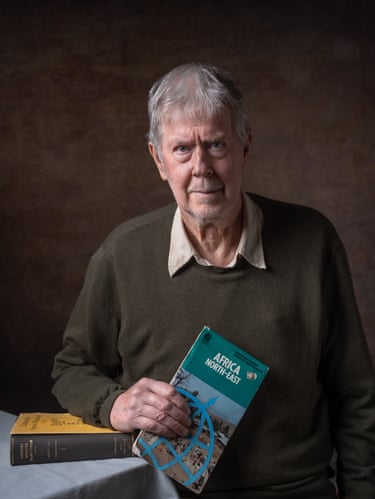
‘It became something of a revelation’
Botanist Mats Thulin describes the moment he discovered that you can make a living doing what you love. He brought a map of African flora and a book published by Linnaeus in 1753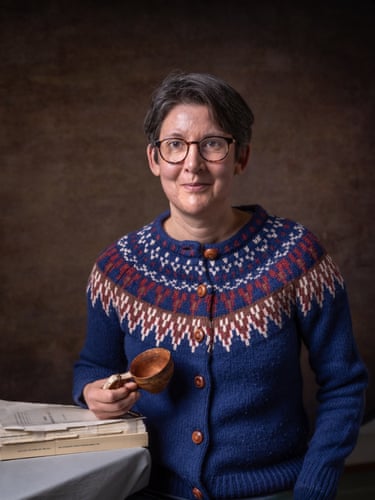
‘A beautiful world exists under the microscope’
Åsa Kruys, curator of fungal collections at the Museum of Evolution at Uppsala University, with a carved wooden cup given to her by friends when she defended her PhD thesis, and a 1972 book on fungi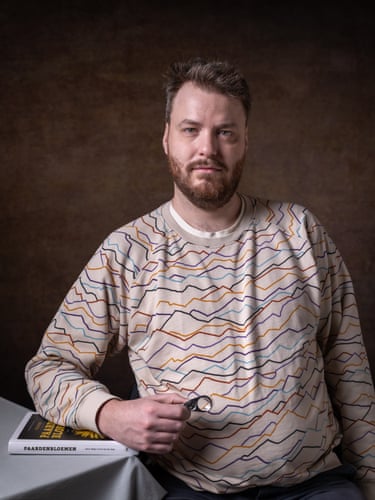
‘It goes against basic evolutionary theory’
Yannick Woudstra from Stockholm University on his fascination with the asexual reproduction of dandelions. He is pictured with a pocket magnifying glass and a 2024 book on dandelions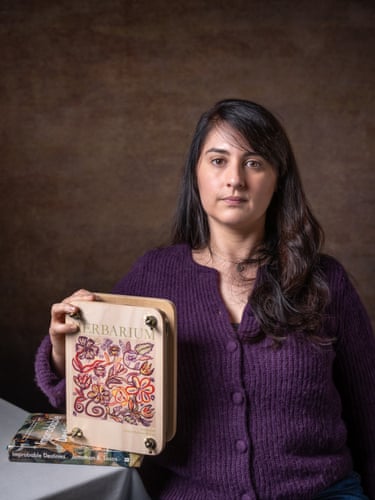
‘It is kind of a mystery’
Botanist Anne-Sophie Quatela from Stockholm University on how sequencing DNA has revealed the complexity of evolution. She brought a herbarium and a 2017 book on the random nature of evolution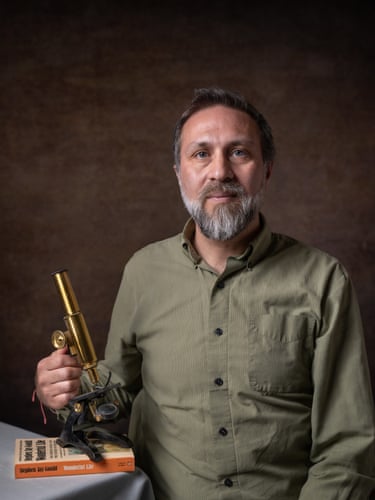
‘Sure, I can give it a try’
Paco Cárdenas’s response when someone suggested he start a PhD project on the genetics of sponges. Cárdenas, who is in charge of the Linnaean historical collection at Uppsala University, brought a microscope and a 1989 book about evolution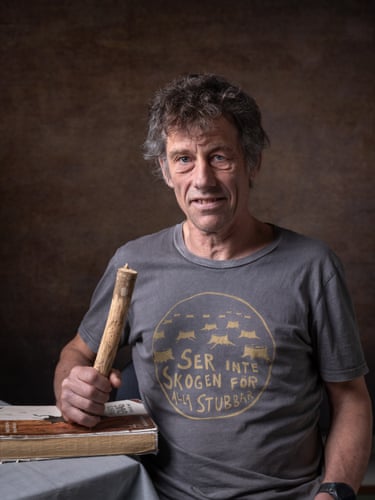
‘The apple doesn’t fall far from the pear tree’
Entomologist Mats Jonsell, from the Swedish University of Agricultural Sciences, explains why parents should encourage their children to take an interest in insects. He holds a stick and a 2002 book about identifying insects by looking at the damage they leave behind in woodExplore more on these topics