3 months ago
81
3 months ago
81
Name: Promotion burnout.
Appearance: Disturbingly feminine.
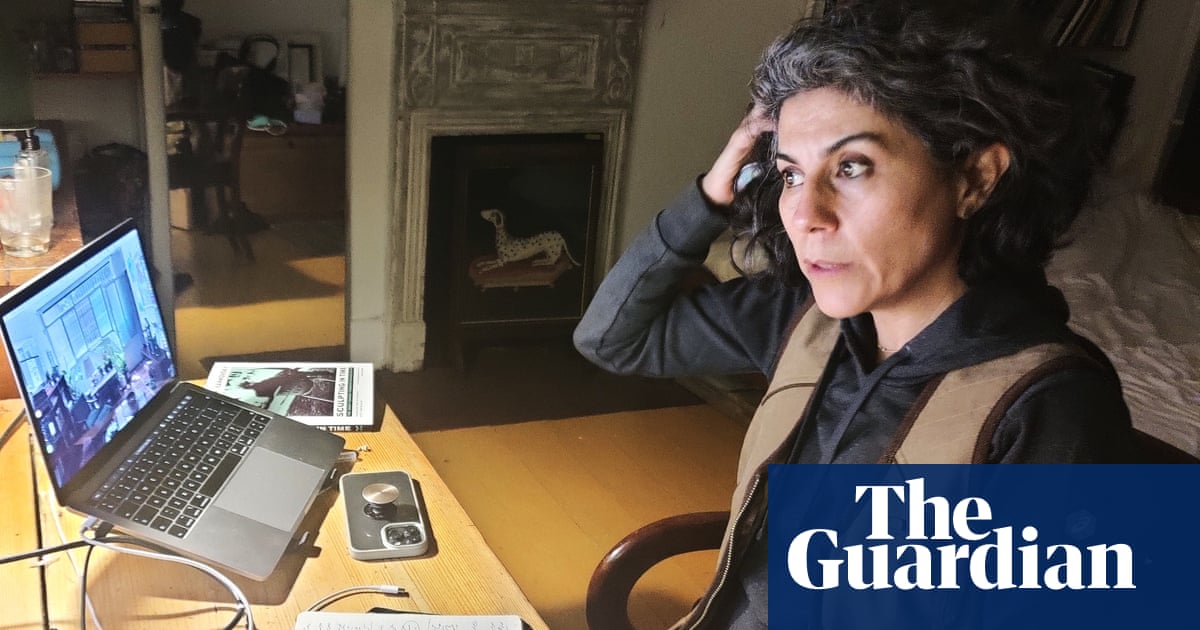
Is “promotion burnout” a new workplace trend? I was too busy quiet quitting to notice. It’s more a worrying tendency than a trend: in a survey of 1,000 professional women by the recruitment agency Robert Walters, 54% said they felt less motivated to pursue promotions than they did two years ago.
Maybe they caught these women on an off day? We all have moments where we want to jack it all in and open a cat cafe. It’s not the first time this phenomenon has been identified, though: McKinsey’s 2025 Women in the Workplace report found a gender “ambition gap”: women now have less desire to be promoted than men.
But promotion means more money, higher status, the power to send terse emails without pleases or thank yous, and to tell people you “need to talk tomorrow morning” and ruin their entire evening! Why wouldn’t women want that? You’ve had some rough bosses, eh? Each woman is different, but there are lots of possible factors. Do you like statistics and surveys?
Love ‘em. Well, let’s get into it. First, career advancement is harder for women. A Yale study from 2021 found that women at one US retail chain were 14% less likely to be promoted, because they are “consistently judged as having lower leadership potential than men”. The McKinsey report also found women get less career support to progress.
That’s unfair. Oh, we’re just getting started. A survey of 13,000 UK employees, back in 2017, showed women find promotion less rewarding than men do – people perceived them as less competent, which affected their enjoyment of their job.
So prejudices against female bosses make them less likely to want to be bosses? Probably, and let’s not forget that work generally is less financially rewarding for women: the gender pay gap still stands at 10.9% and progress towards closing it has stalled.
I can see why the cat cafe is calling. Promotion burnout might also be fuelled by actual burnout: loads of surveys and reports have found that women burn out more than men. One survey last year found that 75% of women under 34 and 71% of women aged 35-54 had burnout symptoms. If you’re already on the brink, do you want more pressure?
I suppose not. And women already take on more workplace responsibilities than men: they do more “emotional labour” (being nice to people) and “office housework”: organising leaving cards, birthday cakes, office drinks ... There’s also a “can’t be what you can’t see” factor: there are only nine female bosses of FTSE 100 companies, so they don’t have many role models.
Well, this is all very depressing. It is. Hey, if you need cheering up, check the office kitchen: maybe one of the nice women you work with has brought in chocolate biscuits!
Do say: “Women need to start talking about the costs of the gender ambition gap …”
Don’t say: “… before men pretend it was their idea and do it for them.”