1 month ago
21
1 month ago
21
Pitch Perfect star Rebel Wilson is being sued for defamation by actor Charlotte MacInnes. The trial has seen Wilson arrive in court wearing various iterations of white button-down shirt beneath neutral knitwear or suiting, paired with cropped black trousers and heels. Similar to the undeniably demure, court-appropriate uniform she also adopted during her trial against Bauer Media in the 2010s, her courtroom aesthetic sits in stark contrast to her usual glittery, vivacious style.
This isn’t the first time a celebrity’s courtroom look has diverged from their regular wardrobe. While it shouldn’t materially affect the outcome of a case, famous or not, how one presents at trial can carry real consequences.
When a criminal matter proceeds to trial it will typically be before a judge and jury. During which, the presumption of innocence is a fundamental, but not impermeable, right of an accused. “Jurors, in particular, bring their own life experience and unconscious biases with them, and despite clear directions, people tend to judge quickly and often harshly,” says Emma Turnbull, accredited criminal law specialist and director of Emma Turnbull Lawyers in Sydney.
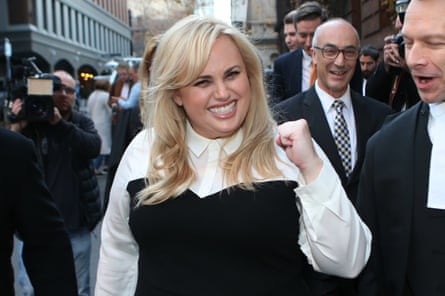
Appearance is one way this bias manifests. It can signal power, threat or virtue before words can. “A criminal case has a life of its own, there are many things beyond our control. Our client’s appearance is something that, to a certain extent, is a known and controllable factor and as defence lawyers is something we take seriously,” Turnbull says.
“Magistrates, judges and juries inevitably form impressions before any evidence is tested or any mitigating submissions heard. You want those impressions to be as favourable as possible.”
In part to protect the presumption of innocence, the United Nations human rights committee states that defendants should not, ordinarily, be handcuffed or otherwise presented in court in a way that could suggest they are dangerous criminals. Similar principles apply to clothing, with incarcerated defendants being provided the option to wear civilian clothes during trials.
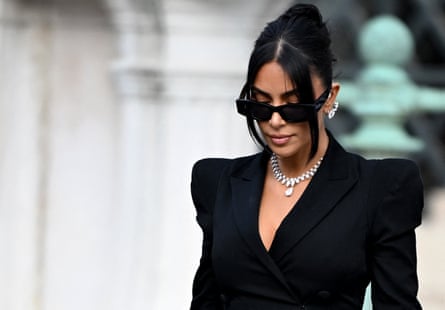
Fashion can also provide plaintiffs an opportunity for expression when speech is constrained. Consider Kim Kardashian’s decision to flout advice from prosecution to “tone down” her look when testifying against those convicted robbing her of an estimated €10m (A$16m, US$11.7m) in jewellery from her Paris apartment in 2016. She gave evidence dripping in diamonds. “They’re not gonna take my power,” she said in an episode of The Kardashians. “I wanna be who I wanna be … they took that away from me for so long.”
Turnbull’s general advice for clients when it comes to court appearances is to dress as though they are attending a job interview in a professional services environment. “While we don’t want to erase all individuality, courts remain an inherently conservative environment, and it is important to minimise anything that might distract or invite unnecessary judgment. In that sense, presentation is part of the broader strategy,” she says.
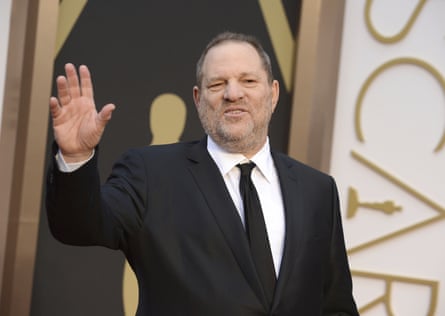
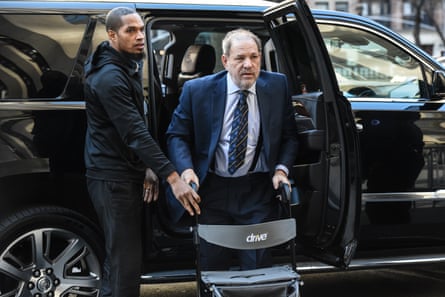
Of course, the power of dress has limits. Harvey Weinstein’s metamorphosis from a power broker in sharp black suits to wielding a walker in understated blues didn’t save him from a sexual assault conviction. Nor did the Bling Ring’s Louboutins rescue them from a guilty verdict for burglary.
Below, we look at some memorable examples of courtroom ensembles, and what they might signal.
Gwyneth Paltrow
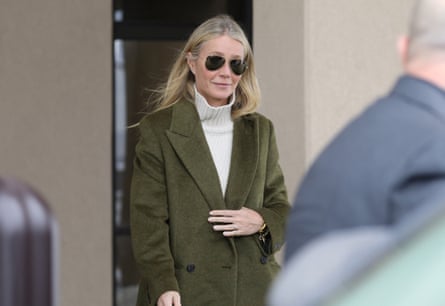
When retiree Terry Sanderson sued Gwyneth Paltrow over who was at fault for a ski collision, her outfits were some of the most highly publicised courtroom looks the world has ever seen. She wore neutral cashmere, soft suiting and lug-sole boots. Rather than opting for something stereotypical such as stiff tailoring, she dressed in a way that was aligned with her everyday style, signalling she was at ease and had nothing to prove. Her final display of composure was the line she delivered to Sanderson upon her victory: “I wish you well.”
Lindy Chamberlain
In 1982, Lindy Chamberlain was wrongly convicted of murdering her daughter after a jury dismissed claims that a dingo took her baby. It remains one of Australia’s most divisive legal sagas, and a stark example of misogyny and bias in Australian culture.
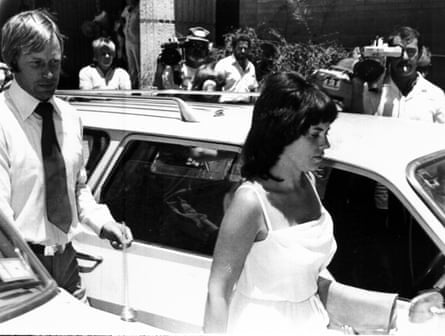
Chamberlain’s wardrobe attracted judgment independent of the evidence. She was criticised as “overdressed” and “disrespectful” for wearing sundresses to court. When it came to strategy for courtroom dressing, Chamberlain later reflected, “it didn’t matter what you did, you were wrong,” recalling that she was advised to wear light wool suits, despite the trial taking place in 36C heat.
“The Chamberlain case is a powerful example of how appearance can be weaponised,” says Turnbull. “It speaks to a broader issue where perception had already taken hold, and appearance simply became another lens through which she was judged.”
Gisèle Pelicot
Gisèle Pelicot’s lawyer, Stéphane Babonneau, aptly said: “Every woman who has had to endure what [Pelicot] had to endure and takes the stand knows she is going to be observed, not just according to what she says, but how she looks.”
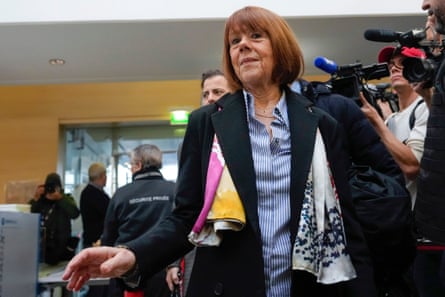
Pelicot’s style was unmistakably her own when fronting the harrowing four-month rape trial of her ex-husband and 50 other men. Through days of evidence from her abusers, Pelicot wore a silk scarf with a print by Manyjilyjarra artist Mulyatingki Marney, given to her as a gesture of solidarity by the Australian Older Women’s Network. It was one of many details that imbued her appearance with a force that transcended the courtroom and became a broader symbol of heroism.
Antoinette Lattouf
In her new book, Women Who Win, the journalist reflects on dressing for her unfair dismissal trial against the Australian Broadcasting Corporation. Many of the garments she wore were sourced from designers and retailers with ties to Lebanon, Palestine, Syria and Iran. “They dressed me for battle, turning my wardrobe into armour,” she writes, describing clothing as part of her public stance, conveying what she wanted to signal.
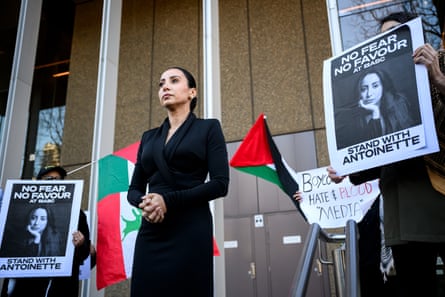
Lattouf says her outfit carried deliberate symbolism on judgment day. “It was a sombre tribute to the ABC’s reputational funeral,” she jokes. If the ABC was “collapsing,” the least she could do was “turn up properly attired to its wake”.
Elizabeth Holmes
Holmes underwent an entire image reinvention when being tried for fraud, transforming from black turtlenecked founder to besuited milquetoast.
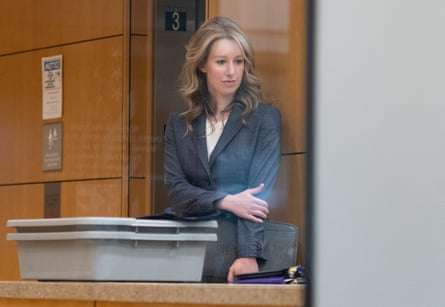
“Holmes’ shift in appearance during her trial illustrates how deliberately curated courtroom presentation can be,” says Turnbull. “Moving away from her recognisable public persona to a more subdued, conventional look was clearly strategic.”
Anna Sorokin (née Delvey)
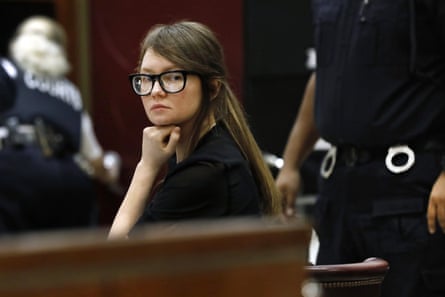
Anna Sorokin’s style when being tried for larceny was a lesson in using clothing to make friends and influence people – or at least dupe them. Sorokin hired a stylist for some courtroom ensembles, reportedly refusing to wear the civilian clothes provided by Rikers Island Prison, delaying court proceedings. Her outfits diverted attention away from the charges and towards her Celine glasses.
Kirsha Kaechele
In 2024, Tasmania’s Museum of Old and New Art (Mona) won its supreme court appeal to continue barring men from entering its Ladies Lounge installation, which closed after the state’s civil and administrative tribunal upheld a man’s complaint that Mona had discriminated against him on the basis of gender.
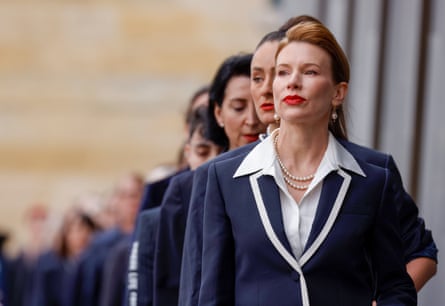
Artist and mastermind behind the installation, Kirsha Kaechele, attended hearings in prim navy tailoring and pearls. Her best accessory? The posy of women sauntering behind in complementary looks. The uniforms helped convey the power Kaechele and her all-female team wielded.
“Kaechele’s presentation sits somewhere between theatre and strategy,” says Turnbull. “Sometimes the battle is won both in and out of the courtroom.”
Chloe Welling is a writer with a background in commercial litigation