3 months ago
112
3 months ago
112
“She had no more surprises for him; the unexpected in her behaviour was the only thing to expect,” Henry James wrote in his novel Daisy Miller. Leaders dealing with Donald Trump surely recognise the sentiment. James’s character was a young American out of her depth in Europe, falling victim to prejudices. Mr Trump is a real-world problem, and this time, Europe is battered by the prejudices and vengefulness of the American.
This week alone the US president has publicly mocked the British prime minister and armed forces (as weak), the French president (over his marriage), told allies to get their own oil – having set the Middle East on fire – and said leaving Nato was “beyond reconsideration”. Mr Trump’s wishful thinking has hit reality in Iran, where the war that he and Benjamin Netanyahu began will not be easily ended. His resulting frustration, concern about domestic political repercussions and desire to distract the public are matched by vindictiveness towards allies who rightly refused to join in.
Yet there was little shock at his remarks; rather, weary annoyance and alarm. The unpredictability of Mr Trump is built in, and so is the direction of travel – away from the liberal international order and traditional alliances, notably with Europe. The question is not one of direction, but of timing and degree. Remaining in Nato in name is not the same as upholding it. In calling it a paper tiger he again eroded the collective security guarantee. His pointed addition that Vladimir Putin “knows that too” was hardly necessary. Some in Europe – including parts of the British security establishment – still hope that he is an aberration, and that the transatlantic relationship could return to normal in a few years. But more emollient approaches also aim to buy time for Ukraine and the lengthy project of building up European defence.
The message is hardening. “When you want to be serious, you don’t go around saying the opposite every day of what you just said the day before,” Emmanuel Macron declared. But Britain is not only far more dependent on – and intertwined with – US security architecture than France. It is also, post-Brexit, highly vulnerable to economic retaliation. Sir Keir Starmer sought to make Britain a bridge between the US and Europe. The Trump administration likes to burn things. The king’s state visit to Washington later this month has little obvious upside and every prospect of becoming a humiliating diplomatic debacle.
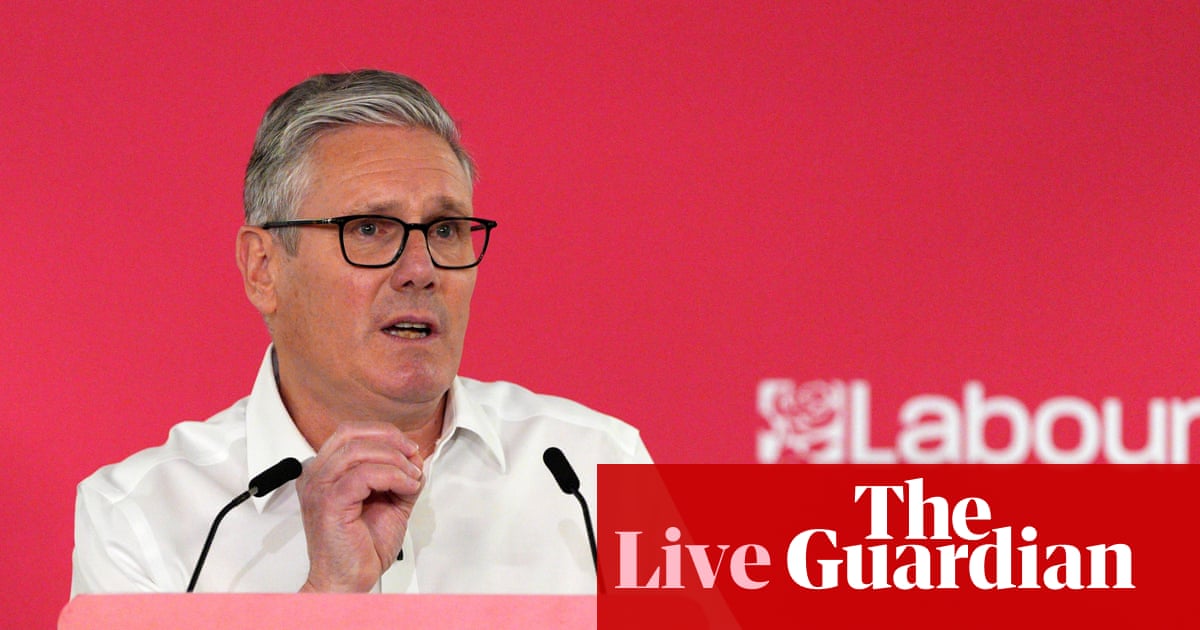
Sir Keir continued to avoid direct criticism of Mr Trump when he said this week that the UK will seek a closer economic and security relationship with Europe, building on previous remarks. That shift is the right course. He knows it may reassure some Labour members drawn to the Liberal Democrats and Greens – albeit that it is not going as far or as fast as they would like or as is necessary. The prime minister may also hope that focusing on the shared nightmare of security persuades European leaders to be more helpful in economic matters. From the European side, though, there will eventually be demands for welcome signalling to be matched by substance.
In an unpredictable world, where old structures are disintegrating, Europe must build up its own commitments. Stronger security arrangements will require true cooperation, not just heavier spending on domestic defence industries. There is no time for delay.
-
Do you have an opinion on the issues raised in this article? If you would like to submit a response of up to 300 words by email to be considered for publication in our letters section, please click here.