3 months ago
86
3 months ago
86
Both the US and Iran claimed victory on Wednesday morning. Both were lying. The two-week ceasefire announced by Donald Trump the night before is not the triumph that he declared. It may not be an end to the war, as welcome as the pause is, or even last the fortnight. Mr Trump said that Iran has gone through regime change. It has not. If anything, less experienced, less readable but more hardline figures are now in charge. He said that the strait of Hormuz would be open; Iran said that ships would pass through with permission, and at a price.
By Wednesday evening, Iranian state media said that the strait was closed after Israel unleashed a brutal assault on Lebanon: about 100 strikes in 10 minutes. Iran had insisted that Lebanon was part of the deal, while Mr Trump disagreed. This conflict has killed thousands in the region, including children, and left many more exhausted, terrified and traumatised, while the aggressors have openly boasted of their intent to commit war crimes.
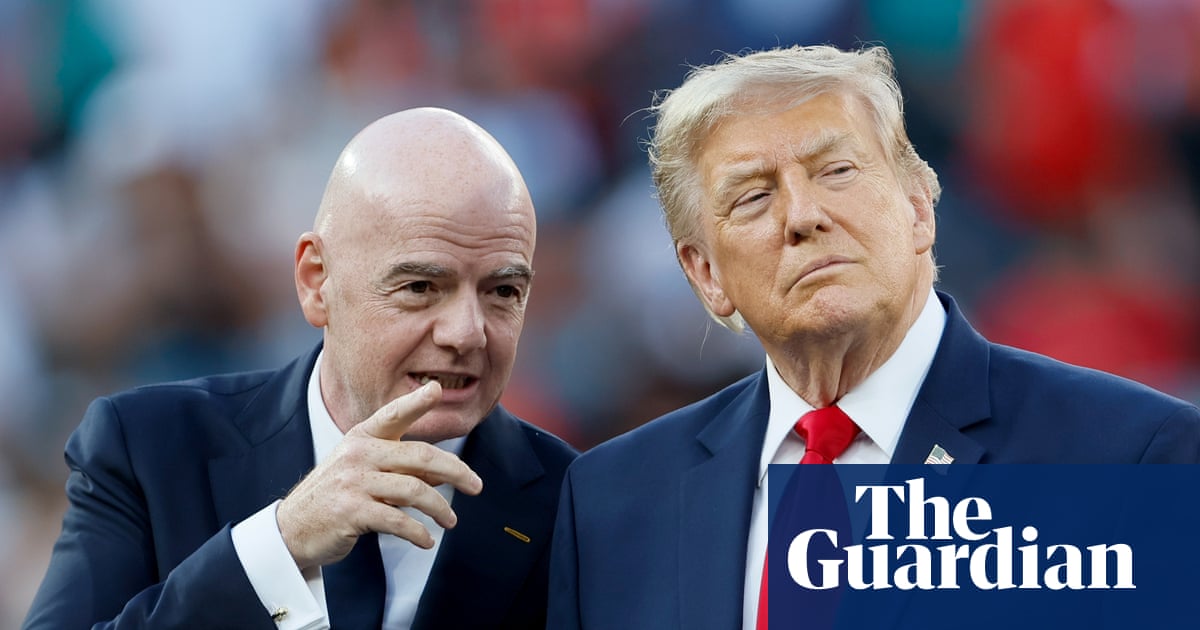
On Tuesday, Mr Trump threatened that “a whole civilisation will die tonight”. By day’s end a peace deal was “very far along”. The two sides are due to meet in Islamabad on Friday. Strikingly, Mr Trump accepted Iran’s 10-point plan as the basis for talks. But that plan exposes the gulf on issues including sanctions relief, the strait of Hormuz, missiles and enriched uranium. The war has surely convinced Tehran that nuclear weapons are key to future survival.
The US has squandered tens of billions of dollars, burned through its interceptors and torched relations with allies. That may not bother Mr Trump, who had premised victory on the conditional reopening of a waterway that was not closed prior to the conflict. But the war has also spooked markets, raised prices at home and showed signs of fracturing his Maga base.
Mr Trump chose to believe Benjamin Netanyahu’s assurances that this would be a short and easy war, but soon found himself seeking an exit. Having finally persuaded the US to join forces against Iran, the Israeli prime minister has achieved none of his stated aims and is left with a weaker but less predictable adversary. Israel has wrecked relations with Gulf states and turned US opinion, already alienated by its war in Gaza, more decisively against it.
The Iranian regime can count survival as a kind of success. But senior leaders are dead, its already battered economy is on its knees and essential infrastructure has been smashed. And the people are likely to face yet greater repression.
With strikes traded across the region on Wednesday, Gulf powers are also fuming. They did not want this war to start, but now the US is walking away while leaving an angrier and still dangerous Iran. Their reputations as safe destinations for tourism and investment are shredded and their key sea artery remains choked.
The war has destabilised the region and normalised talk of war crimes, further trashing the idea of a rules-based order. Restrictions on transit will continue to damage humanitarian aid operations and raise prices worldwide, hitting the poorest hardest.
The only real winners are arms manufacturers, Russia – its coffers refilled with oil revenues – and arguably China, at least for now. It looks like a more stable and predictable power, and the US has pivoted away from the Pacific.
This is a strategic defeat for the US that will resound for decades, and a clear sign of its systemic failures. Yet, given the costs of this reckless and illegal war, the best-case scenario may be that Mr Trump, characteristically scorning reality, continues to claim this as a triumph.