3 months ago
110
3 months ago
110
When a madman calls out your name you have two choices – pretend you didn’t hear him and hide, or try to reason; explain he had you confused with someone else, he didn’t understand what you were really trying to say and how you were really his best friend.
Australian political leaders, who cling to what seems to be their genetically programmed fear of abandonment, generally opt for the second choice. Yes sir, no sir, three bags full sir.
But as anyone who has tried to reason with a person who has become detached from reality knows, the more you say, the worse it gets.
And so, it has transpired.
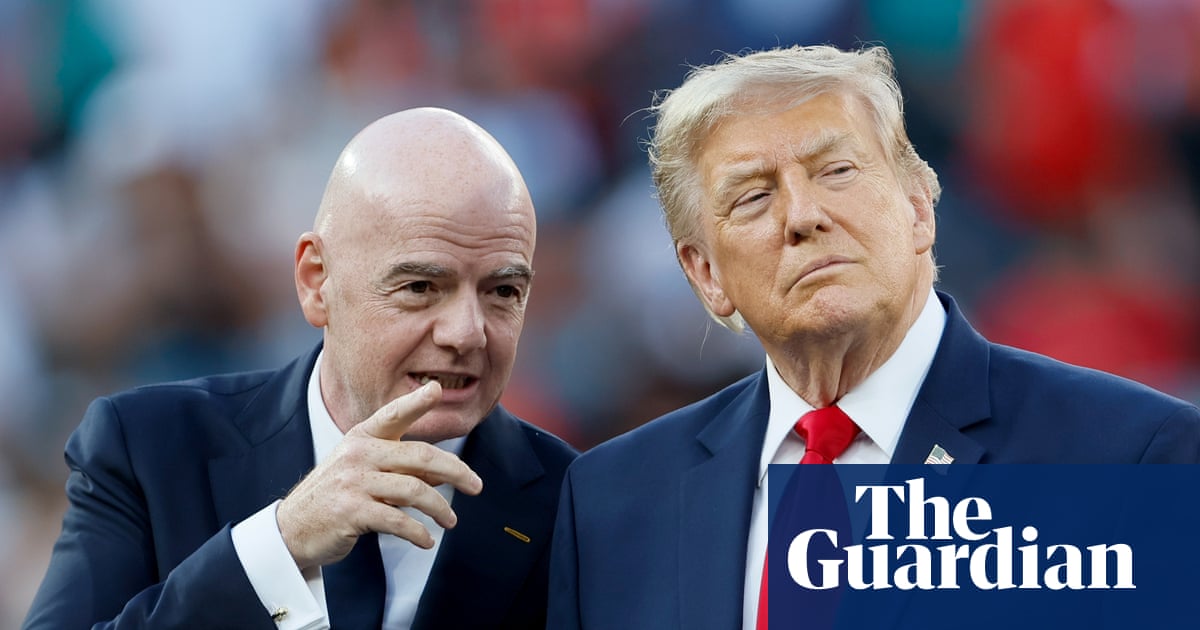
The prime minister has for weeks tiptoed around Trump’s unhinged and demonstrably false statements about Australia’s lack of support for the US.
Never before has the person who occupied the Oval Office – which once carried the moniker “leader of the free world” – uttered such incendiary remarks, unedited on social media and declaimed without fear of contradiction in front of microphones.
Even as other world leaders called out the madness of a war without clear objectives, the Australian prime minister was cautious, even mealy-mouthed. It’s an old lesson of political survival learned over years in the Labor party machine: don’t bait an angry bear.
On Wednesday, as a ceasefire seemed within reach, the PM’s political antennae finally twitched and he felt safe to criticise – in an interview on Murdoch’s Sky News – the president’s ‘extraordinary’ threat and his fool’s errand to destroy one of the world’s oldest living civilisations.
Despite Israel’s longstanding determination to see the Iranian Republic (and Lebanon) destroyed, the logic of invading Iran and returning it to “the stone age” remained elusive.
When Trump finally declared “a whole civilisation will die tonight” just hours before the ceasefire was agreed, he chilled the world. As the commander-in-chief with thousands of nuclear weapons at his disposal, this was a threat that demanded to be taken seriously, even if there was nothing we could do.
Over the past week as the US president’s rhetoric became more violent, less grounded in any internally consistent logic or understanding of geopolitics or economics, it became clear that the traditional ways of making sense of the world were no longer sufficient.
Maybe the ancient knowledge embedded in legends and insight of psychoanalysis could help make sense of patterns of behaviour.
As any reader of fairytales knows, decapitation is likely to produce a multi-headed monster. Pride comes before a fall. And the crowd eventually recognises that the emperor’s new clothes left him naked.
The Persian civilisation has thousands of years of stories and cultural knowledge to draw on which even its cruellest leaders are ready to exploit. The American civilisation’s 250 years at best is characterised by self-belief in exceptionalism, scientific brilliance, fast food and Christian fundamentalism – a civilisation most powerfully, uniquely and succinctly captured in film. Films set on the battlefield, in space and in the dens of mobsters.
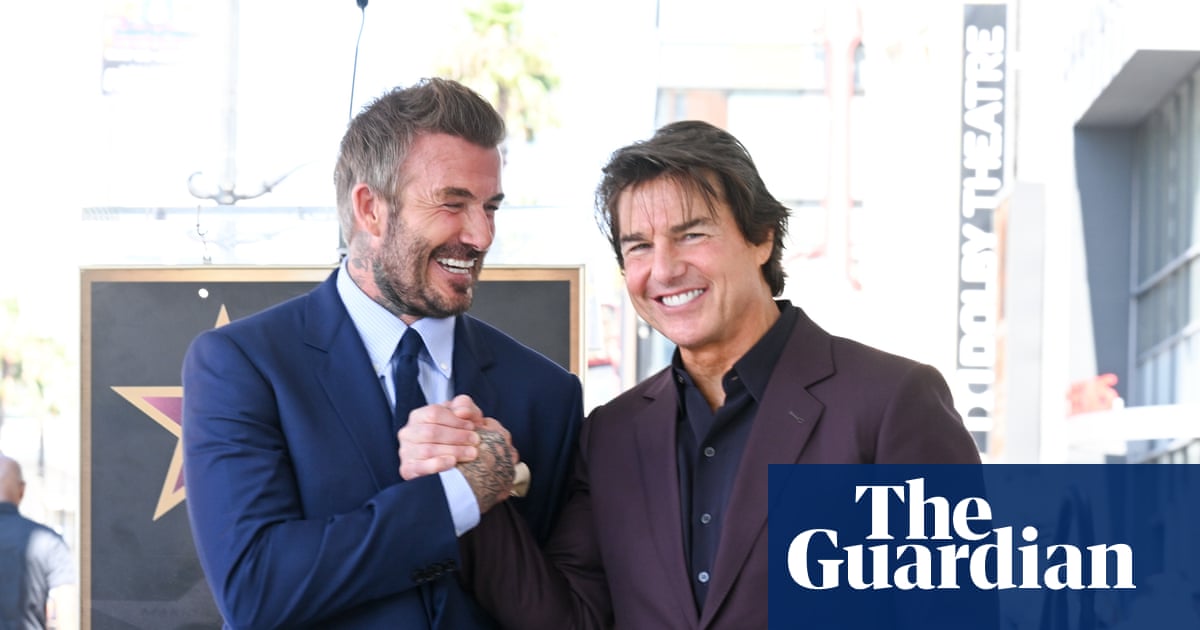
Plenty of films can help make sense of the otherwise incomprehensible behaviour of a self-regarding man and his acolytes. Dr Strangelove, The Godfather, 2001: A Space Odyssey, Wag the Dog and of course the sentimental favourite, Top Gun. Over the Easter weekend millions of Americans and countless others around the world streamed the US Navy supported Top Gun: Maverick, the 2022 remake of a Reagan-era classic with an eerily contemporary edge: Tom Cruise is leading a mission to destroy the enemy’s nuclear facility buried deep in mountainous territory, when two pilots are forced to eject before being rescued (and getting the girl).
It was a myth brought to life in Iran as the fundamentalist US secretary of war Pete Hegseth observed. The ejected piloted in life “died” on Good Friday but was brought back to life on Easter Sunday. Literal fundamentalist Christianity being a marker of American civilisation.
The film made more than US$1.5bn – proving another American civilisational truth – there is money to be made if you get the zeitgeist. As those who profited from the war also learned.
The defining truth of the movie – “Don’t think, just do it” – may also provide a missing explanation for the war.
The likelihood of such behaviour is what worried the mental health specialists who warned that the US president-elect showed signs of malignant narcissism and was therefore unfit for leadership.
Narcissus’s self-love eventually kills him, leaving only Echo’s empty voice. Centuries on, political systems still struggle to know how to manage someone so detached from the reality of others.