3 months ago
84
3 months ago
84
-
A car bomb in the Moscow region killed a general in charge of heavy ammunition supplies for the Russian army, reports said. The car exploded in Balashikha, killing its driver. He was named in reports as Damir Davydov, head of the Russian defence ministry’s missile and artillery wing. A second car bomb was discovered and blown up by authorities in south-west Moscow, reports said. Throughout the war several audacious assassinations have taken place of senior figures involved in Moscow’s war effort, with Ukrainian security services either claiming responsibility or being blamed by Russian authorities.
-
Disruptions to fuel supplies have triggered panic-buying in Russia’s Krasnodar region, the governor said, as Ukrainian strikes on energy infrastructure continued to hit fuel deliveries across several southern regions and Russian-held Crimea. On Tuesday, emergency services said they had finally extinguished an oil depot fire in the town of Ust-Labinsk in Krasnodar after a Ukrainian drone attack on Saturday. “Against the backdrop of a difficult situation in neighbouring regions, many people decided to stock up on gasoline, which caused artificial panic buying,” said the governor, Veniamin Kondratyev.
-
A Ukrainian drone attack started a fire in a fuel tank, the governor of Russia’s southern Rostov region said early on Wednesday. Yuri Slyusar said the drone attack took place in the region’s Millerovsky district, just over the Ukrainian border. He said there was no early indication of casualties. In Russia’s Dagestan region, explosions shook the town of Kizilyurt as a gas pipeline blew up. Kizilyurt’s mayor’s office said the fire was believed to have engulfed a gas distribution station, Interfax reported.
-
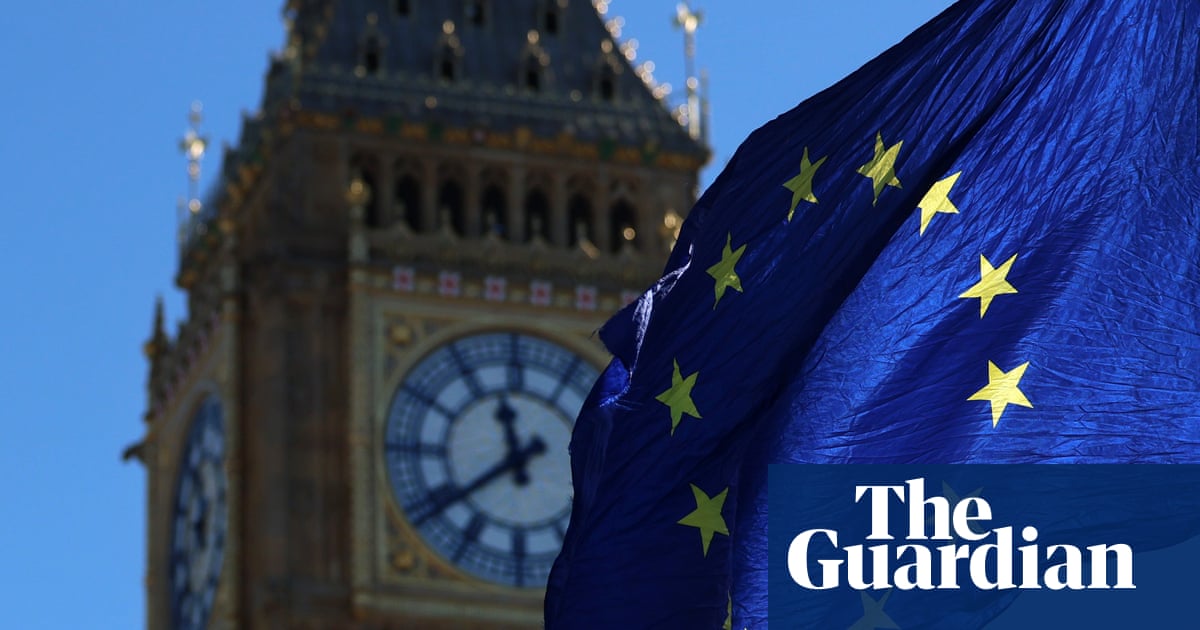
The EU hopes to ban Russian soldiers from entering member states as part of further sanctions that also target banks, crypto firms and the Kremlin’s oil revenues, Jennifer Rankin writes from Brussels. The commission wants to maintain a price cap on Russian oil at $44 until January 2027; add 30 “shadow fleet” oil tankers to its blacklist, in addition to 632 already under restrictions; and extend sanctions against cryptocurrency firms, banks and oil traders helping Russia.
-
The latest sanctions proposals extend for the first time to Russian fish imports, with a potential ban on cod and restrictions on trade in other species. The EU also intends to ban the import of Russian metals, ores and car parts worth €60m (£52m) as part of continuing attempt to restrict economic ties. EU export restrictions are proposed for metals and alloys used in the aerospace and defence industries, including drone equipment and launch systems. Missing from the sanctions list were EU alumina exports, which have come under the spotlight since investigative journalists revealed details of how the raw material is shipped from the Russian-owned Aughinish plant in County Limerick, Ireland, to Siberia where it is smelted into aluminium to supply Russian factories.
-
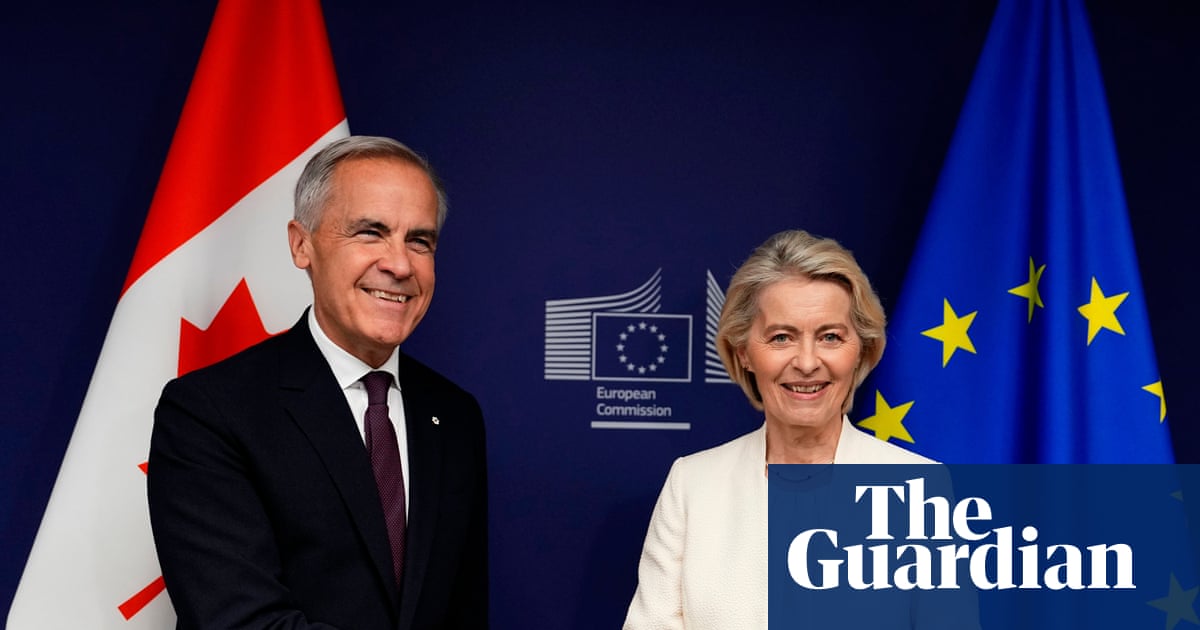
Von der Leyen also confirmed the decision to move ahead with Ukraine’s negotiations to join the EU. The bloc is expected to open the first set of negotiating chapters – on the rule of law and democratic standards – in accession talks with Ukraine and Moldova next week. Ukraine is “making extraordinary progress” on reforms to allow it to join the EU and that “it’s high time for us also now to deliver”, said von der Leyen.
-
Volodymyr Zelenskyy met with Nordic and Baltic leaders in Estonia on Tuesday, a visit that comes after Ukrainian drones were diverted into their countries by Russian electronic warfare in recent months. Zelenskyy promised to help with low-cost defences against drones. “We did this in the Middle East, and it worked,” he said.
-
Bulgaria will no longer provide arms to Ukraine, and Moscow and Kyiv should sit down at the negotiating table to end the war, said Dimitar Stoyanov, the newly appointed Bulgarian defence minister, in reported comments. It comes after the pro-Russian former Bulgarian president, Rumen Radev, was sworn in as prime minister following elections.
-
There were no plans for a telephone call between Donald Trump and Vladimir Putin, Kremlin spokesman Dmitry Peskov said on Tuesday, adding that American negotiators Steve Witkoff and Jared Kushner continued to maintain contacts with both Russia and Ukraine. Peskov suggested the EU was not ready to act as a mediator in any Ukraine peace process. “First of all, starting mediation efforts by putting forward certain conditions to Russia is likely illogical and wrong. And, of course, this is unacceptable to us,” Peskov said.