2 months ago
71
2 months ago
71
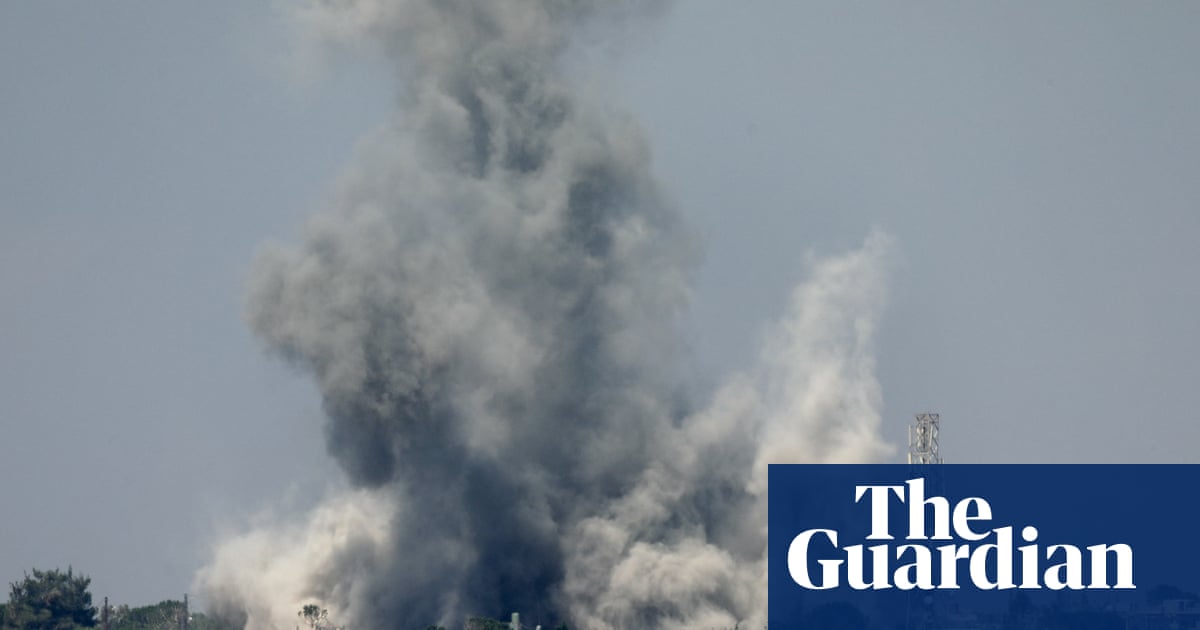
To be fooled by a mirage, you needn’t be lost in the desert. Sometimes, the illusion is strongest just when you thought you were safely home, posting from the pool about your teenage daughter’s spa party and your own glittering life in a city where “the possibilities are endless”, as they tend to be for billionaires’ daughters living in tax havens. Only then does the fantasy explode in a puff of intercepted missile smoke, leaving just another woman in her pyjamas telling Instagram (as Petra Ecclestone did at the weekend) that she moved to Dubai “to feel safe” and war was never mentioned in the small print.
Who could have guessed that living a few hundred miles as the drone flies from Tehran might have risks? Certainly not the anonymous hedge funder who fumed to the Financial Times that “the trade was not that you were getting exposed to geopolitics”.
But if it’s hard to sympathise with the super-rich, as they discover that there are some things money can’t buy, then they are not the only Britons trapped in the Gulf. The deal Dubai offered economic migrants – which is what Britons seeking a better life in the Gulf are, much as some will hate the label – was a kind of real-life Truman Show: a sunny, shiny, sterilised low-crime haven for anyone itching to get rich or stay that way, sustained by stiff penalties for anyone publicly shattering its illusions.
Alongside the wealth managers, property agents and taut-skinned trophy wives who always accompany the mega-rich, it attracted its share of Reform-supporting X blue ticks banging on from their beach clubs about London supposedly going to the dogs; influencers seeking luxury backdrops for their unboxing videos; crypto guys, tech bros, and assorted hustlers. But many rungs down the financial ladder behind them came an army of younger temporary workers to clean their pools and nanny for their kids and teach them pilates, many of whom have families back home now worried sick. Gloat if you must that they are now finding out why other people stay home in the rain, but schadenfreude is a grim look when fellow human beings are sleeping in their basements as the tyrannical Iranian regime tries to kill them.
An estimated 300,000 Britons have been trapped across the Gulf by the war: everyone from honeymooning couples just changing planes to business travellers, aid workers getting a few days’ break from war zones and families visiting relatives. Most were no more expecting war to come to them than we were back home in Britain, where it will shortly be arriving in the less lethal shape of rising gas bills and petrol prices, disrupted supply chains, diaspora communities waiting anxiously for news of loved ones, and all the toxic anger that rising inflation might unleash against a Labour government just as economic recovery looked within reach.
This war is weaponising interconnectedness, or the myriad ways in which distant shocks around the globe are brought closer to home thanks to the movement of people and money and goods, and TikToks filmed by someone who feels like a friend because you watch them every day, chatting as they do their makeup.
Why is Iran, under fire, provoking the wrath and not the sympathy of the Arab world by raining drones on Dubai hotels, Saudi oil refineries, Qatari liquid natural gas facilities? To make its neighbours put pressure on the Americans, obviously, but also to show Washington that if it’s going down then it’s taking the neighbourhood with it. Iran’s strategy is to make the wider Gulf look too dangerous a place to invest, seek winter sun, or rely on for energy supplies: to sever its links to the outside world. A pariah regime that is itself closed off and isolated is attacking countries whose prosperity depends on being open, using their connections to the west for leverage. And Dubai is its nearest, most clearly westernised target, vulnerable to pressure because it is built on people transactional enough to move where the money does.
I’m writing this from France, where my morning newspaper reckons Bali is the new Dubai for influencers: hot, endlessly Instagrammable, but cheaper and crucially not next door to Iran. So maybe they will just pack up their camera tripods and move on, hotly but fruitlessly pursued by the demands of the Liberal Democrat leader, Ed Davey, for Britons overseas to be made to pay tax in case our military has to rescue them again. (Let’s just say they might want to Google “tensions in the South China Sea”.)
But personally, if there is one thing I want more from Dubai’s content-creating gym bros and wellness girlies than their money, it’s for them to use that influence. Now they know how it feels to pack up and run from falling bombs, I’d like them to interrupt the #sponsored content just long enough to reflect on lessons learned from this luxury version of a refugee experience. Why not use those connections to the outside world that Iran seems so keen to destroy, and talk to their millions of followers on TikTok and Instagram and YouTube about the insecurity of the migrant path and how moving abroad for a better life – as millions do daily in far more life-threatening circumstances – isn’t as cushy as some pretend?
If you want to get rich in Dubai or die trying, I’m prepared to accept that that’s your business. But only if you feel the same about every other economic migrant: for, like it or not, you’re one of them.
-
Gaby Hinsliff is a Guardian columnist
-
Do you have an opinion on the issues raised in this article? If you would like to submit a response of up to 300 words by email to be considered for publication in our letters section, please click here.