2 months ago
64
2 months ago
64
One evening in Tehran in 1980, my grandfather got an anonymous tip that the Islamic Republic of Iran wanted him dead.
That night, he, my grandmother and my 15-year-old mother fled their native Iran on a last-minute flight to Heathrow with the help of a forged passport. With two tightly packed suitcases, they made it out. Eventually, my grandfather’s ingenuity allowed them to immigrate to Australia after three years spent in asylum-seeking purgatory in London. Together, my family built a fresh life in Sydney. We survived.
But not everyone is so lucky.
Celebrations have broken out across Australia, Iran and the world after the Ayatollah’s death– and for good reason.
There’s no doubt that Ali Khamenei was the head of one of the most murderous regimes in modern history. From innumerable state-sanctioned executions, torture and imprisonment of innocent civilians to a despotic rewriting of Iran’s state reality and external narrative – all the way to my own family’s exile from their homeland – it is clear that his death is not a tragedy.
However, I worry that, for the people of Iran, Trump’s illegal war could be.
While I do not speak for the Australian-Iranian diaspora as a whole, I am gravely concerned on a human level for what this attack will cost in innocent lives.
We currently sit in the face of a deeply divided Iran and Iranian diaspora, with many traumatised by the violence of this government and desperate for regime change at any cost – while many others feel the direct opposite.
However, one thing remains clear: civilians should not be killed. By their government, or by foreign powers violating state sovereignty.
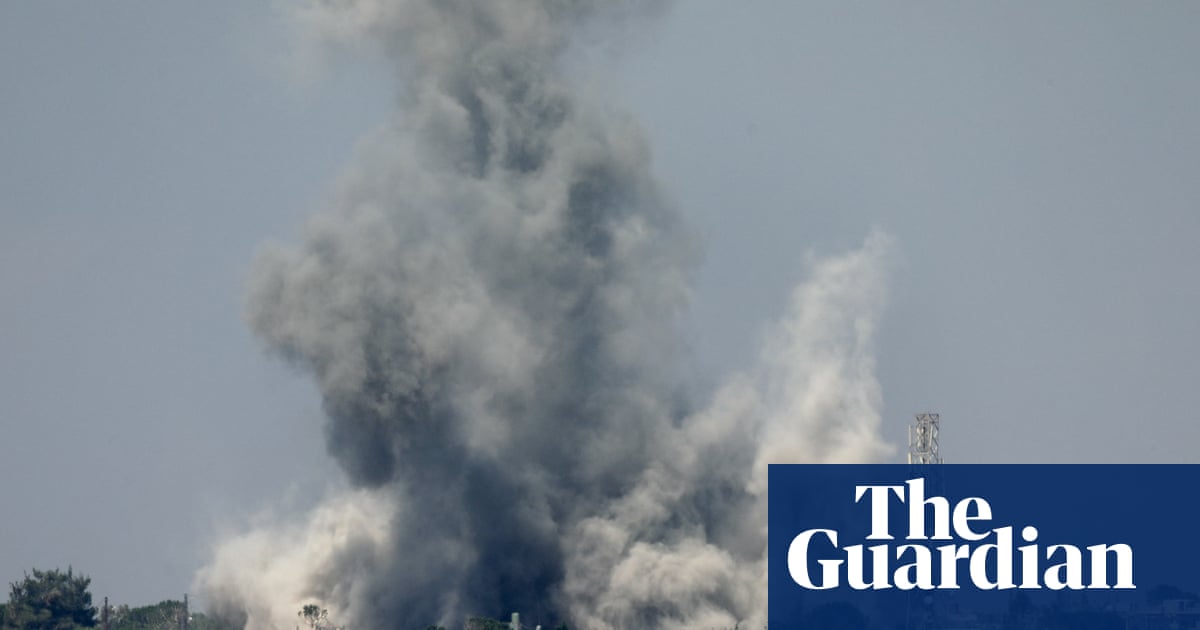
For people who live in Iran and have to endure the terror of US-Israeli bombings with limited bomb shelters and a government actively prohibiting their escape and movement – and for all of the diasporic Iranians like myself, whose frantic WhatsApp messages to family remain unread, all while watching helplessly as huge explosions hit major cities – the fear is crippling.
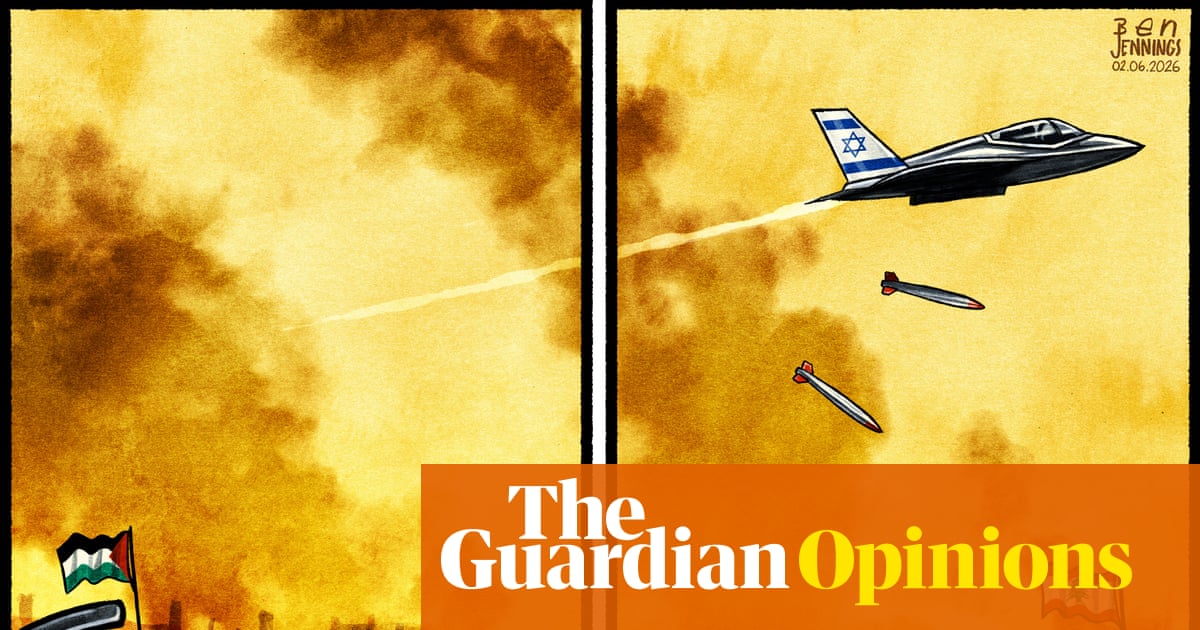
The decision by western leaders to unexpectedly bomb a country in the Middle East is nothing new.
Plenty of comparisons have been drawn between George W Bush’s chilling “Mission Accomplished” address on that obnoxious warship in 2003 and Donald Trump’s disgusting announcement on Saturday, when he urged the people of Iran to rise up against a deeply violent regime and “take back your government”, all while the US and Israel drop bombs on their heads, like we’re in some kind of US government propaganda action movie.
In what world can a regular person “take back” their government amid foreign bombs and a system intent on killing them?
When I went to Iran for the first time in 2019, I saw first-hand how deep the Islamic Republic’s power went in everyday society.
The highways were lined with thousands of huge flags emblazoned with individual portraits of dead “martyr” soldiers from the Iran-Iraq war. Mammoth portraits of the Ayatollah were everywhere: on the sides of buildings, peering above train station exits and, in some of the houses I was invited into for dinner, hung in frames on their living room walls.
Iran has been broken and globally isolated by their horrific government, as well as the US and its allies. Resources are already seriously depleted (Tehran has virtually no water, the economy is in shambles, an estimated 30,000 people have been killed for daring to protest against this).
When I talked to young Iranians during my visit, the refrain from most of them was the same: “We want more opportunities” and “No country is willing to give us a visa. We can’t leave.”
It is this sentiment that rings out to me when I see Trump and Benjamin Netanyahu try to justify their attack – all while individual Iranians are denied entry to their countries.
When I returned to Iran as a 22-year-old, it confirmed what my family already told me. Despite the violent suppression, Iran is an incredible place where extreme hospitality and unfettered generosity flow through the culture like water. These people must be protected.
My family fled Iran and found safe haven in Australia. They were just one of millions of families who had to do this. While I don’t have the answers for how to unravel this deeply complex situation, all I can hope for is that the US and its allies engage in considered thought, protect civilian life and, above all, unite in a call for peace.
Iranians deserve this much.
-
The writer is an Australian Iranian journalist