2 months ago
78
2 months ago
78
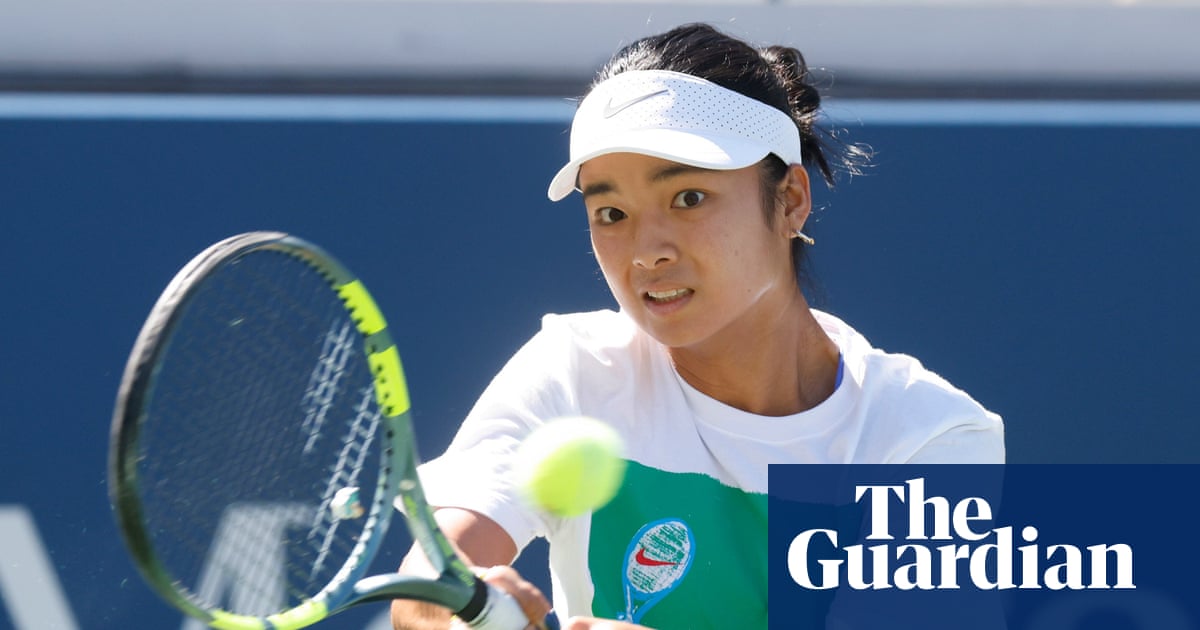
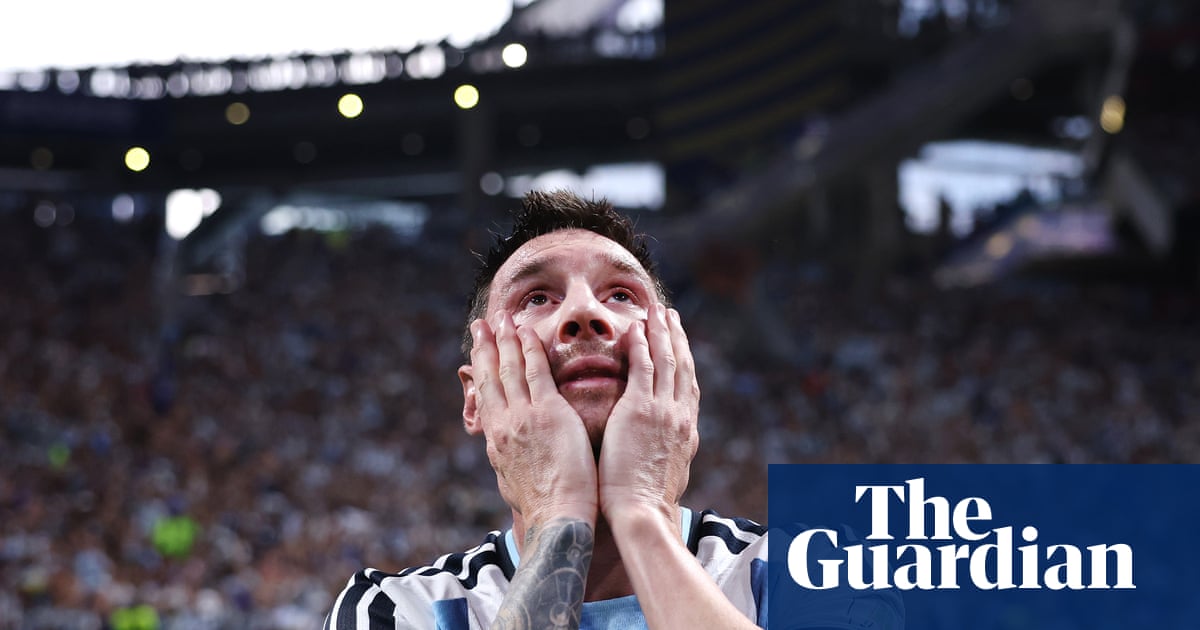
Marketa Vondrousova, the 2023 Wimbledon singles champion, has been banned from professional sport for four years after she refused an anti-doping test.
According to an independent tribunal, Vondrousova provided “no compelling justification” for declining to provide a sample after being notified at her home by a doping control officer in December. The 26-year-old is suspended from all professional events until 21 June 2030.
This suspension for Vondrousova, who also reached the French Open final in 2019, earned an Olympic silver medal in 2021 and reached a career high ranking of No 6, represents one of the most significant doping cases in tennis.
There have been very few prior cases of players refusing to take a doping test and a refusal to conduct a test is treated as severely as a proven anti-doping violation. Karen Moorhouse, chief executive of the International Tennis Integrity Agency (ITIA), explained in a media conference call: “We recognise that this is a significant ban. And the reason for that is that you can’t have an anti-doping system where a player is in a better place by refusing to take a test than they would by taking the test and testing positive. So that feeds into the structure of the doping rules that provides for a starting point of a four-year ban for refusing to take a test, the same as a starting point for testing positive.”
Vondrousova had been reached at her home at around 8pm on 3 December by a female doping control officer. Athletes must provide a one-hour window each day for doping control officers to approach them and collect a sample as part of the World Anti-Doping Agency’s whereabouts rules. This incident took place outside Vondrousova’s designated hour, which is legal and a common occurrence.
According to the ITIA, Vondrousova did not let the doping control officer into her apartment and she signed a form to say that she refused a test. Nicole Sapstead, the ITIA’s senior director of anti-doping, gave the organisation’s account of Vondrousova’s refusal to conduct a test: “It was a single female doping control officer. The player signed the refusal form outside. She left her apartment to walk her dog and made it clear to the doping control officer that she was refusing a test. The doping control officer asked her to sign the form to indicate as much.
“We ask our doping control officers to be as clear as possible when they’re engaging with players. It’s not for them to tell a player where a sanction may lay, or if they choose to refuse. But what we do say is: ‘Please make it very clear that there are consequences, some significant consequences, if that individual refuses.’ So yes, that was made very clear to the player. It was very clear that the player did not wish to engage with the process.”
Vondrousova had initially reacted to the encounter by posting a picture of the doping control officer on Instagram and implying that they had not adhered to the rules by approaching outside the hour she had designated under the whereabouts rules. “Rules should apply to everyone. Even to those enforcing them,” she wrote.
In the independent tribunal, Vondrousova argued that she was suffering acute stress reaction and generalised anxiety disorder, which impaired her cognitive capacity and judgment during her encounter with the doping control officer. She also argued that the anti-doping officer failed to provide mandatory identification and authorisation.
Vondrousova also referenced the violent assault suffered by her compatriot Petra Kvitova, who was stabbed by an intruder in her home and at night in Czechia after opening her front door, in a social media statement this year: “After what happened to Petra, we don’t take strangers at our door lightly,” she wrote.
The tribunal concluded that the evidence provided by Vondrousova offered no compelling justification for refusing the test.
The announcement of Vondrousova’s suspension was accompanied by a short four-page summary of the findings. A full-length reasoned decision will be released at a later date and it will provide further insight into the logic behind one of the sport’s most significant suspensions. Vondrousova will have the opportunity to appeal against the findings of her case to the Court of Arbitration for Sport.