2 hours ago
9
2 hours ago
9
Today marks the end of the Guardian’s annual climate support campaign. Each year, during the campaign, we remind our audience about the Guardian’s role in covering the threats to our planet and the importance of independent journalism in telling that story. Our climate pledge is a reminder of the environmental values we place at the heart of our reporting and our organisation.
Since our 2025 climate pledge, the world has experienced extreme levels of heat as well as extreme forms of denial and abdication in the face of the climate crisis. But, across the world, there have also been inspiring efforts to tackle it.
This update reflects how the Guardian has remained steadfast in exposing those who have tried to block or reverse the transition to a clean energy world, as well as highlighting the efforts of those who have been bravely confronting the greatest challenge of our time.
In the past three weeks, more than 30,000 Guardian readers have supported our backed our annual climate support campaign. If you believe in the power of independent journalism, please consider joining them today.
1. We will continue our longstanding record of powerful, independent environmental reporting
The Guardian’s commitment to agenda-setting climate journalism has become even more crucial this year as other news outlets have scaled back their own climate coverage. While the news cycle continues to be dominated by conflict, division and the abuses of autocrats, we have worked tirelessly to keep the health of the planet firmly on the public agenda.
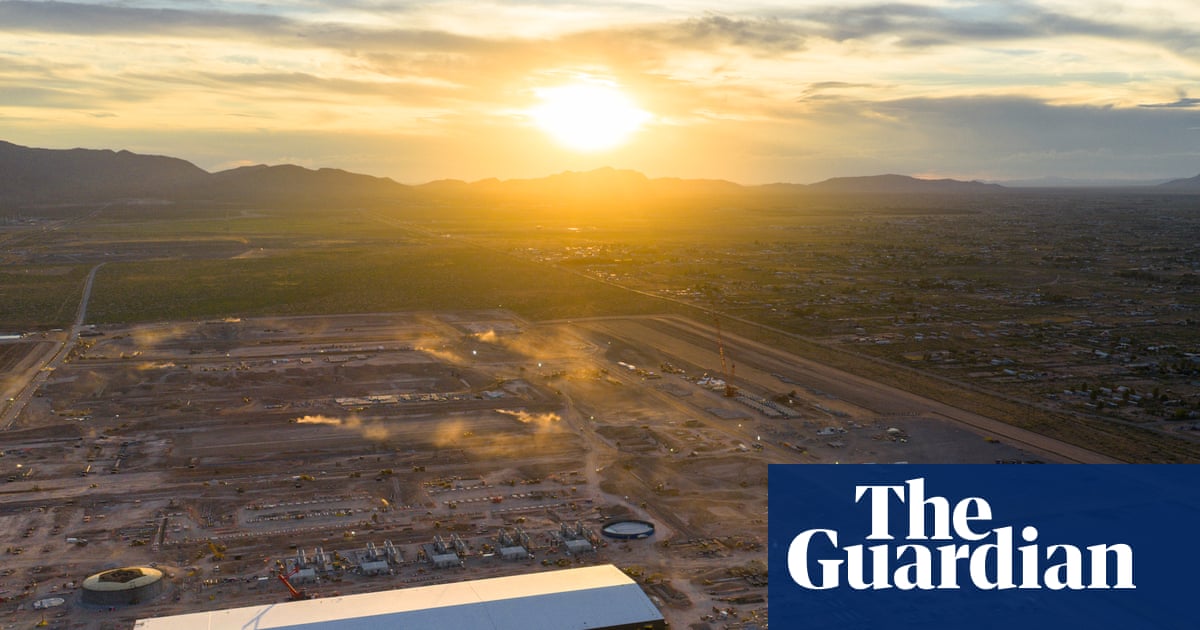
We have highlighted how the climate emergency has pitted the interests of billionaires against the wellbeing of billions of ordinary people. For example, our journalists have been reporting extensively on the environmental impact of the AI revolution, revealing how the race to build giant datacentres has been driving up big tech’s carbon emissions – as well as how US tech giants lobbied the EU to hide the environmental toll of their datacentres.
The Guardian has also examined how the oil crisis triggered by the war on Iran has helped a coalition of business interests, rightwing populists and media outlets to ramp up their attacks on net zero goals. We revealed that major oil companies made £93bn in profits in three months following the start of the conflict.
As the climate emergency has increasingly become part of the culture wars, we have countered dangerous and widespread disinformation – from myths about the cost of clean energy to its impact on jobs and the economy. We have also highlighted how the transition to green energy can make countries more resilient.
The Guardian’s independence from corporate interests means we have been able to speak truthfully and plainly while the statements from climate sceptics have become ever more contorted. While the northern hemisphere has been scorched this summer by the most severe and widespread heatwave on record, some of those who have long denied the crisis have suggested we now embrace the devastation. Guardian journalists have reported on how the world’s most powerful climate denier, Donald Trump, has continued reneging on the US’s international climate commitments and undermining federal climate regulations. We have examined how the US president has been pouring taxpayer money into his crusade against clean energy and also into boosting coal.
If it feels as if tackling the climate crisis has been eclipsed by climate culture wars, disinformation and toxic discourse, our journalists have continued to shine a light on the remarkable progress being made in some places and the possibility for positive change. For instance, we have looked at countries, such as Spain, that have embraced renewables and are benefiting from lower utility prices. We have reported on how Australia has pioneered a revolution in home renewables and battery use, providing inspiration for the rest of the world. And we captured people’s imaginations about what is possible by covering how Paris is building a gigantic cooling machine using river water from the Seine. As some countries forge ahead with the transition to a clean energy world while those in hock to fossil fuels try to turn back the clock, we have also examined the implications for the shifting geopolitical balance of power.
2. We will report on how climate breakdown is already affecting the natural world, people and other species, as well as what to do about it
Our daily reporting on climate impacts and extreme weather events has drawn on the Guardian’s network of correspondents around the world and our genuinely global outlook.
We have reported on the toll the warming climate is having on gig workers in India, as well as how the closure of schools across the country means working mothers have been bearing the brunt of the climate crisis, either forced to stay at home or switch jobs.
With Europe heating up twice as fast as other continents, Guardian reporters spoke to locals and tourists about their experiences of this year’s heatwaves. We also reported on the experiences of those on the frontline tackling the effects of extreme heat, speaking to firefighters about how the scale of this year’s wildfires has forced them to make incredibly difficult choices. Our reporters also highlighted the impact on other people providing essential services in dangerous levels of heat, such as nurses, teachers and bus drivers.
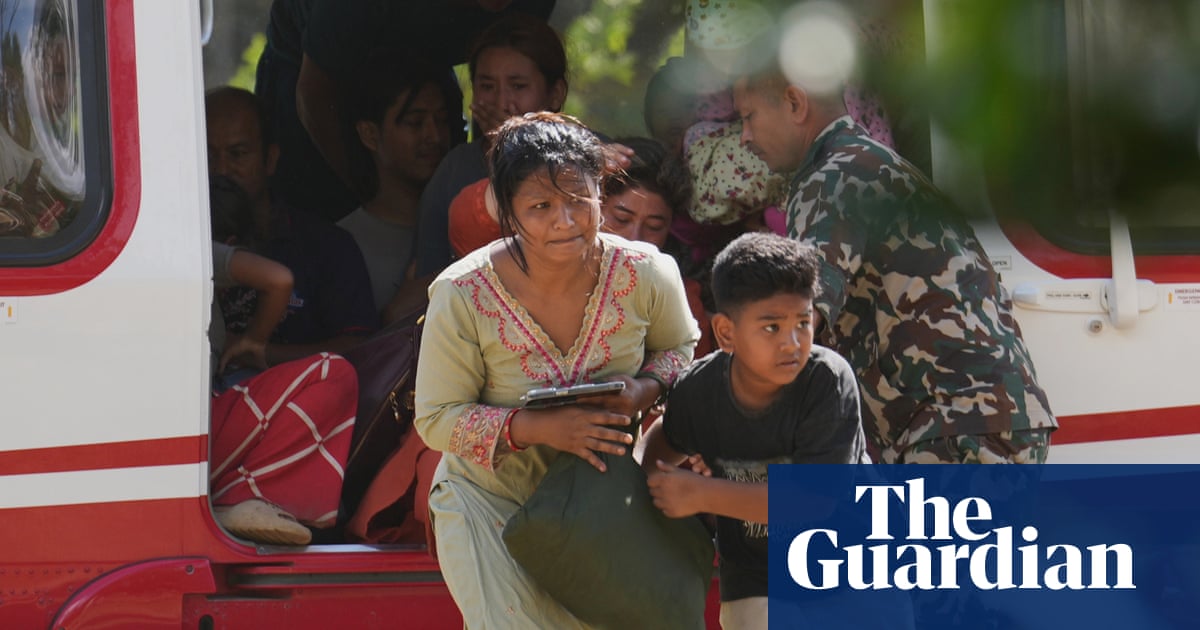
As wildfires raged across Europe and North America, another impact of climate breakdown has been the unprecedented rains in other parts of the world. We reported on the extreme flooding and typhoons across Asia, from Taiwan to Afghanistan. We reported on how floods in Nigeria have been inducing “climate anxiety” that can trap people in a sense of anticipation and dread, and we explained how the floods across west Africa have been supercharged by global heating, displacing thousands of people.
We have continued to remind our audience how the poorest suffer most from the climate catastrophe – while rightwing populists continue to claim that action on climate is merely an elite concern.
Guardian journalists have also highlighted the consequences for the natural environment, for example travelling 100 miles along the Danube to witness how drought has devastated the EU’s longest river.
Our coverage of the natural world and precious wildlife has highlighted how other species we share this planet with have also experienced the catastrophic consequences of the year’s extreme weather.
Given such far-reaching impacts of the climate emergency, Guardian journalists have written about how a more just and equitable world is possible, for instance by amplifying a new report by Thomas Piketty and others at the World Inequality Lab, as well as the work of influential economists and social thinkers such as Mariana Mazzucato.
Meanwhile, our ongoing The Alternatives series has highlighted the practical work being undertaken by local communities and political parties coming up with low-carbon ways of living.
And we looked at how communities are developing ways to prepare for the effects of climate change, such as a Colombian neighbourhood that has been adopting tree nurseries and rainwater harvesting.
By encompassing these practical initiatives and everyday human stories alongside the macro perspectives and analysis of geopolitical shifts, our climate coverage has sought to inspire people by showing what is possible at both a global and local level.
3. We will publish up-to-date global indicators that point to the urgency of the situation
As climate records continue to be broken, we reported on new data that illustrates how planetary conditions are changing rapidly.
This year we have closely monitored the scale and impact of the devastating back-to-back summer heatwaves in the northern hemisphere – including in Europe, where such extreme weather would have been impossible without the climate crisis, and in the US, which saw its hottest-ever month in July.
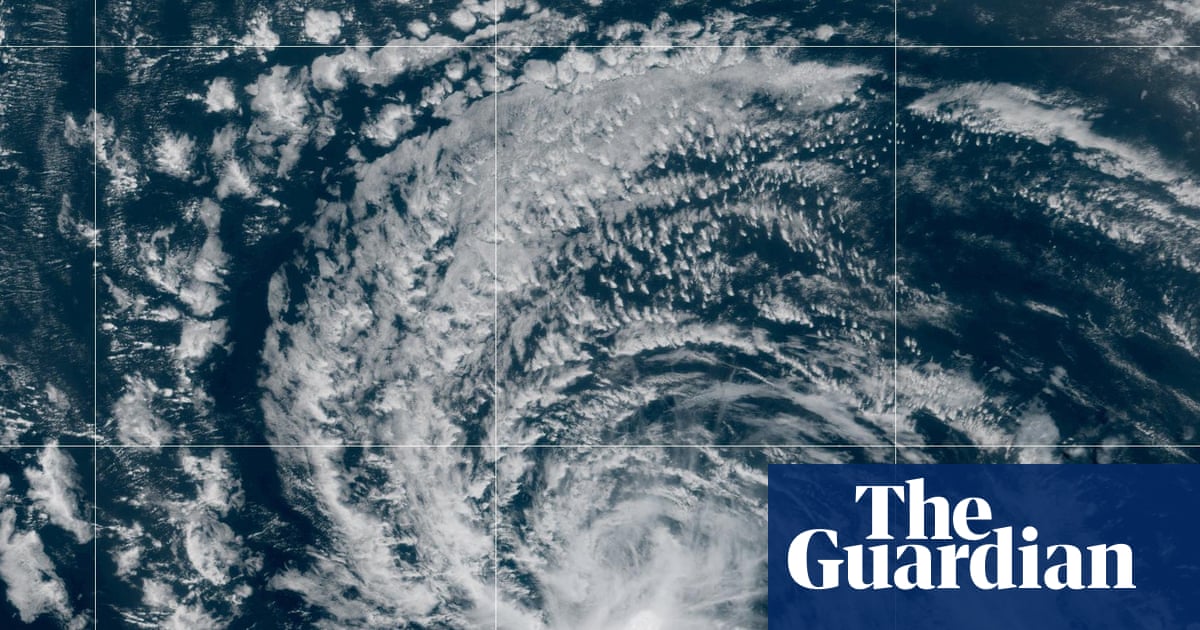
We are closely tracking and explaining the impact of the fast-developing El Niño event too,, forecast to be the biggest in a century and which is already intensifying a spike in ocean temperatures. Our reporting has also highlighted critical changes linked to climate breakdown, including ocean currents, Arctic ice levels, Antarctic temperatures and the Earth’s energy balance, alongside other important tipping points such as the loss of permafrost.
4. The Guardian will eliminate two-thirds of its emissions by 2030 and reduce our impact on nature
Since 2020, our company’s greenhouse gas emissions have reduced by 48%, meaning we remain well positioned to achieve our target of a 67% reduction by 2030. Our emissions decreased by 9% during the 2024/2025 reporting period, and we are continuing to make headway in reducing the footprint of our print operations, which still represent the largest share of our overall emissions (64%).
Lowering our emissions remains a key priority, and our progress over the last year will be included in our sustainability report published in the autumn.
5. We will seek to decouple our business and finances from fossil fuel-extractive companies
The Guardian has refused advertising from all fossil fuel-extractive companies since January 2020.
The Guardian is supported by the Scott Trust and the returns from its endowment fund. The fund’s environmental strategy is focused on contributing to a reduction of emissions in the real world and to protecting nature and biodiversity. The fund has made significant investments supporting the transition to a net zero economy and environmental solutions, with around £150m invested in areas ranging from renewable energy to decreasing emissions in manufacturing and industrial processes. Additionally, the fund has made a commitment to invest at least 3% of its value in natural capital and biodiversity solutions.
6. We will be transparent with our progress
We believe transparency is the key to tackling the climate crisis. By sharing our data, our successes and our challenges, we can be part of the global movement to make businesses accountable for their climate and nature impacts. As part of this commitment, we continue to hold ourselves accountable to B Corporation standards, which recognises companies who meet the highest levels of environmental and social performance and public transparency.
-
We will be publishing our annual company emissions data in the autumn, explaining what drives our emissions and where they have risen and fallen.
-
We have started the process of estimating our emissions from generative AI usage. We hope to report on this next year.
-
We have undertaken our B Corp recertification in line with the new standards introduced by B Lab in 2026. We will find out our result later this year.
-
We have participated in advertising industry working groups that published a methodological framework that aims to capture the emissions impact of digital and print advertising.
-
We open ourselves up to scrutiny by independent third parties, such as the Science Based Targets initiative (SBTi) and B Corp, so they can assess the robustness of our targets and our internal policies.
On Tuesday 20 October, join Damian Carrington and our panel of experts – including Prof Andy Haines, Katie White MP, Asad Rehman, Shruti Suresh, Gareth Thomas and Amy Fairman – for a hopeful and solutions-focused evening. Book tickets here or at guardian.live